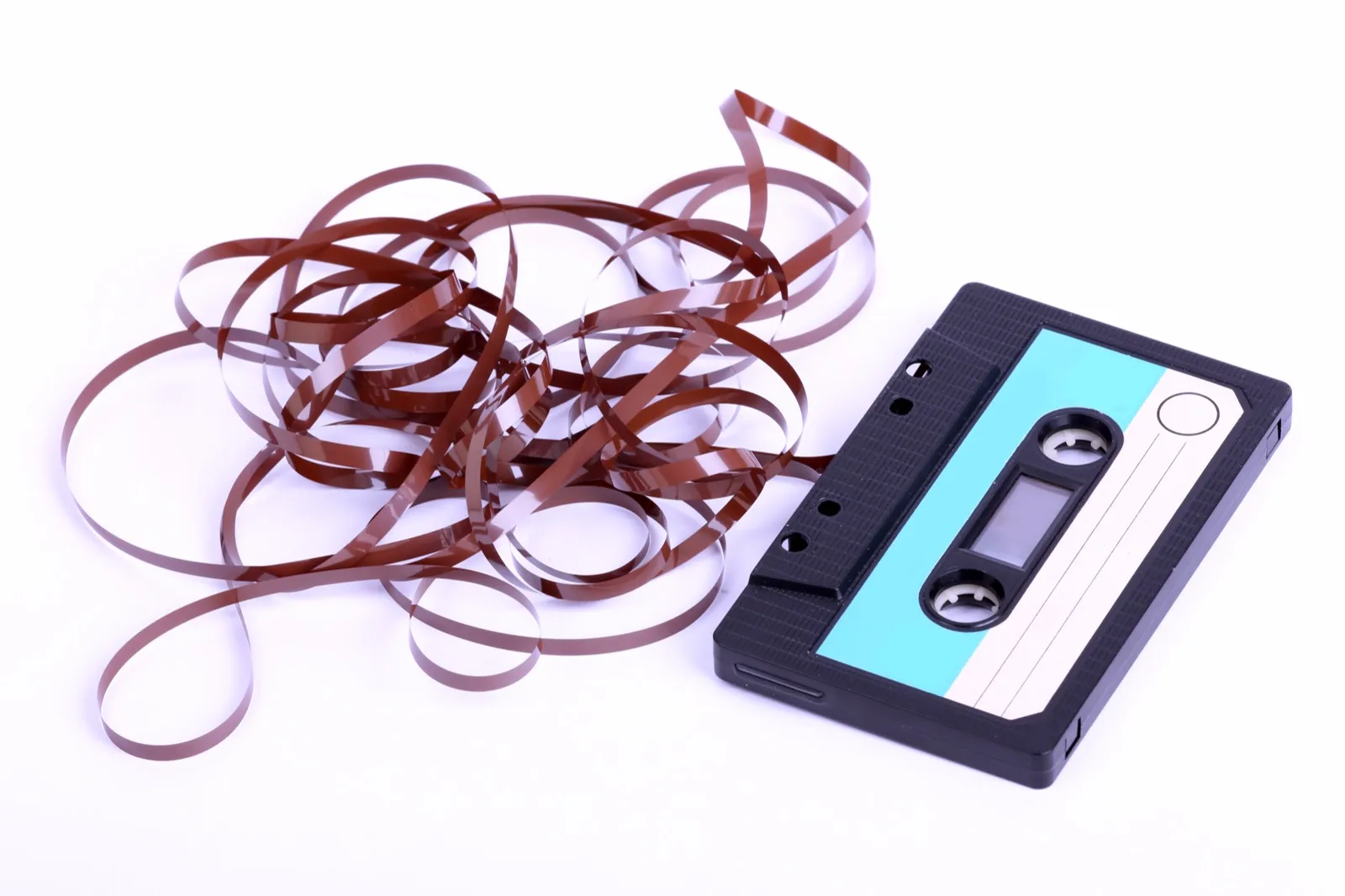
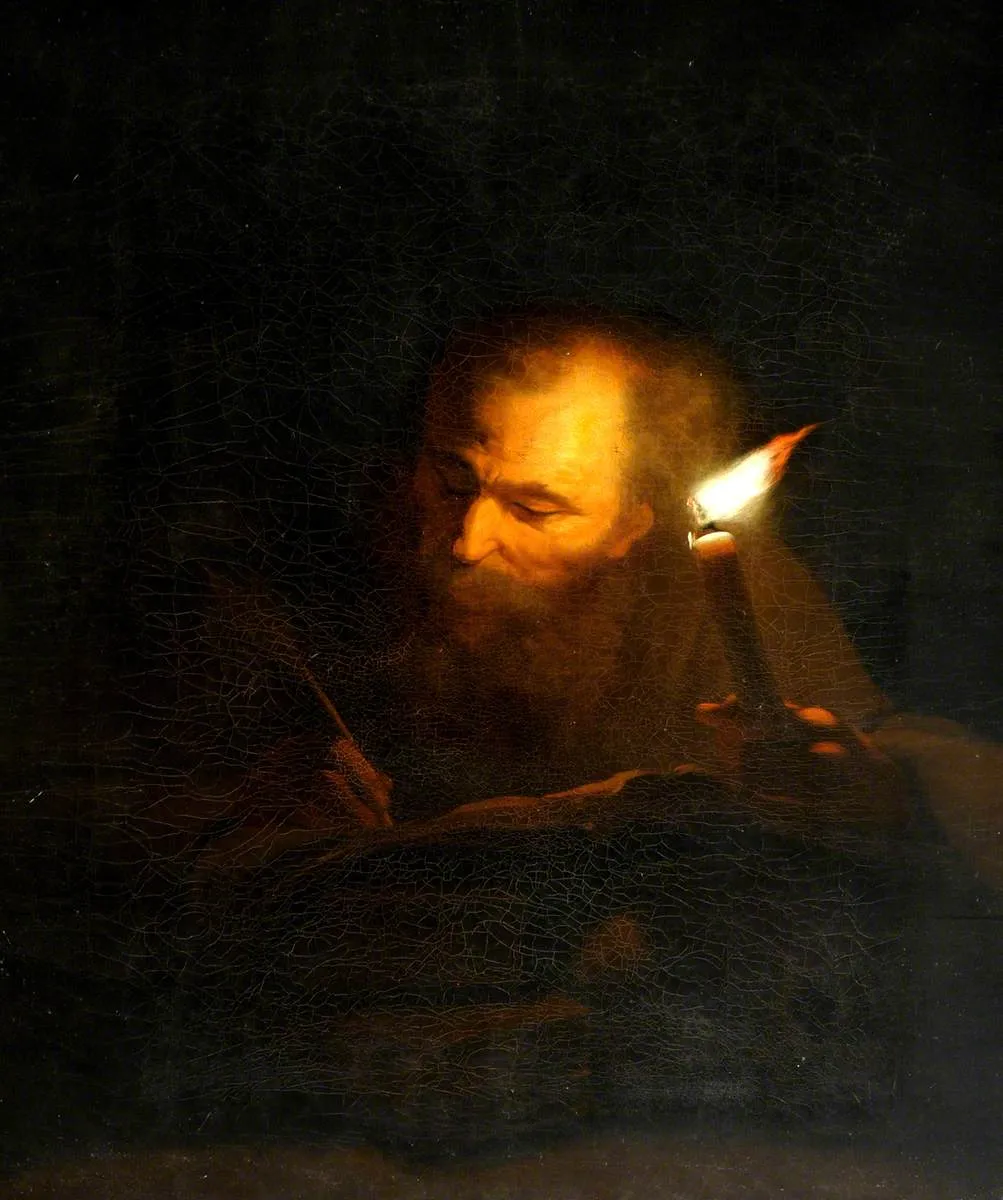
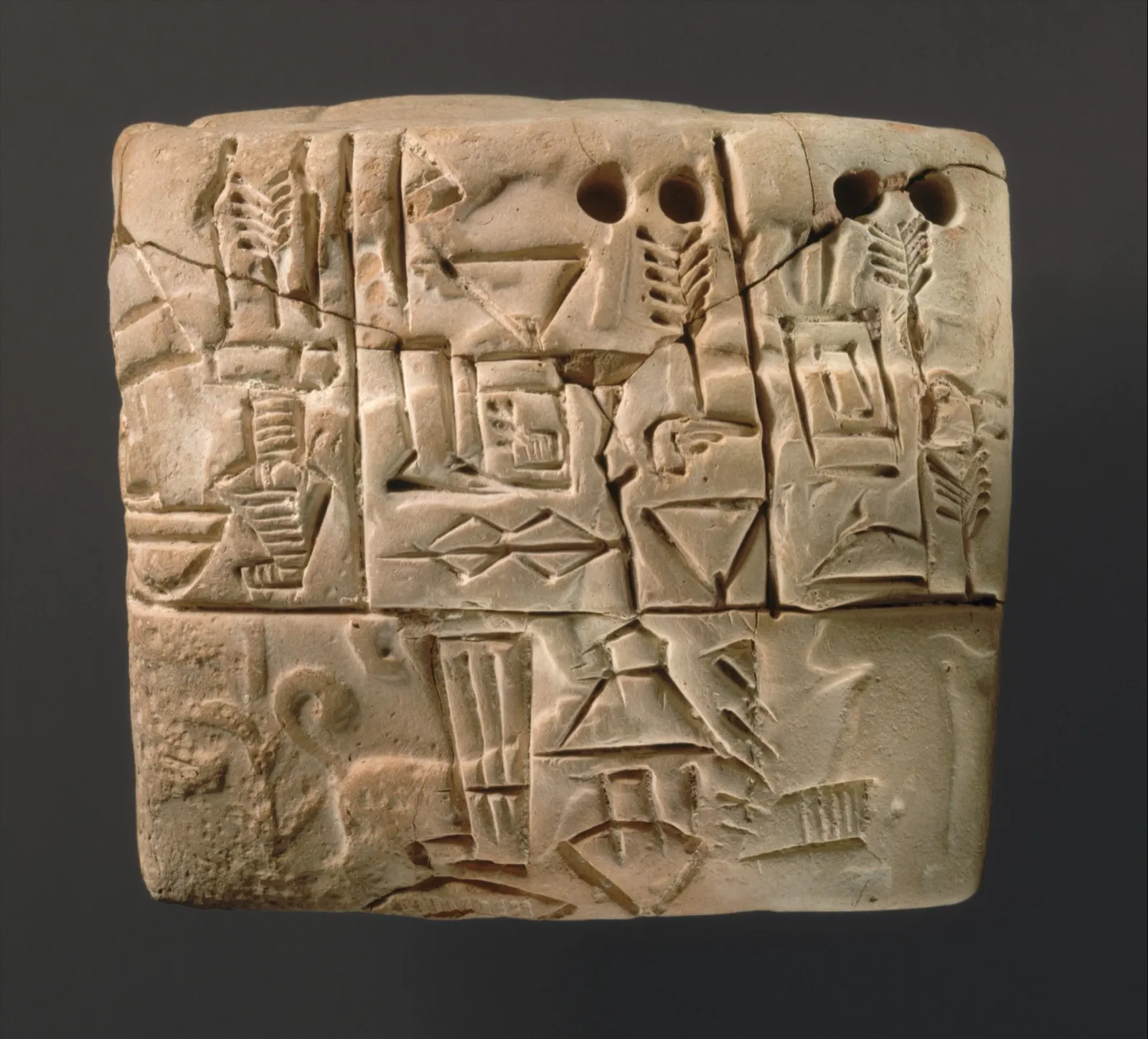
Most lost works were not burnt. They were simply never copied.
Aeschylus wrote around 80 plays and seven survive. The lost works of history mostly vanished through neglect, not fire, and we are repeating the mistake.
Aeschylus, the first of the great Athenian tragedians, is said by ancient sources to have written somewhere between seventy and ninety plays. Seven survive, and scholars still argue about whether he wrote one of them. Sophocles wrote more than a hundred and twenty; we have seven. Euripides wrote around ninety; we have eighteen or nineteen. Livy’s history of Rome ran to 142 books, of which 35 survive. Aristotle’s polished dialogues, which Cicero admired for their “golden stream” of prose, are gone entirely. What we call the works of Aristotle are mostly his lecture notes.
The lost works of history are usually imagined as victims of a single catastrophe, above all the burning of the Library of Alexandria. The real story is less dramatic and more instructive. Most of what disappeared was not destroyed by anyone. It simply stopped being copied. That distinction matters because it describes something we are still doing, at a much larger scale, with the records of our own lives.
Did the Library of Alexandria really burn?
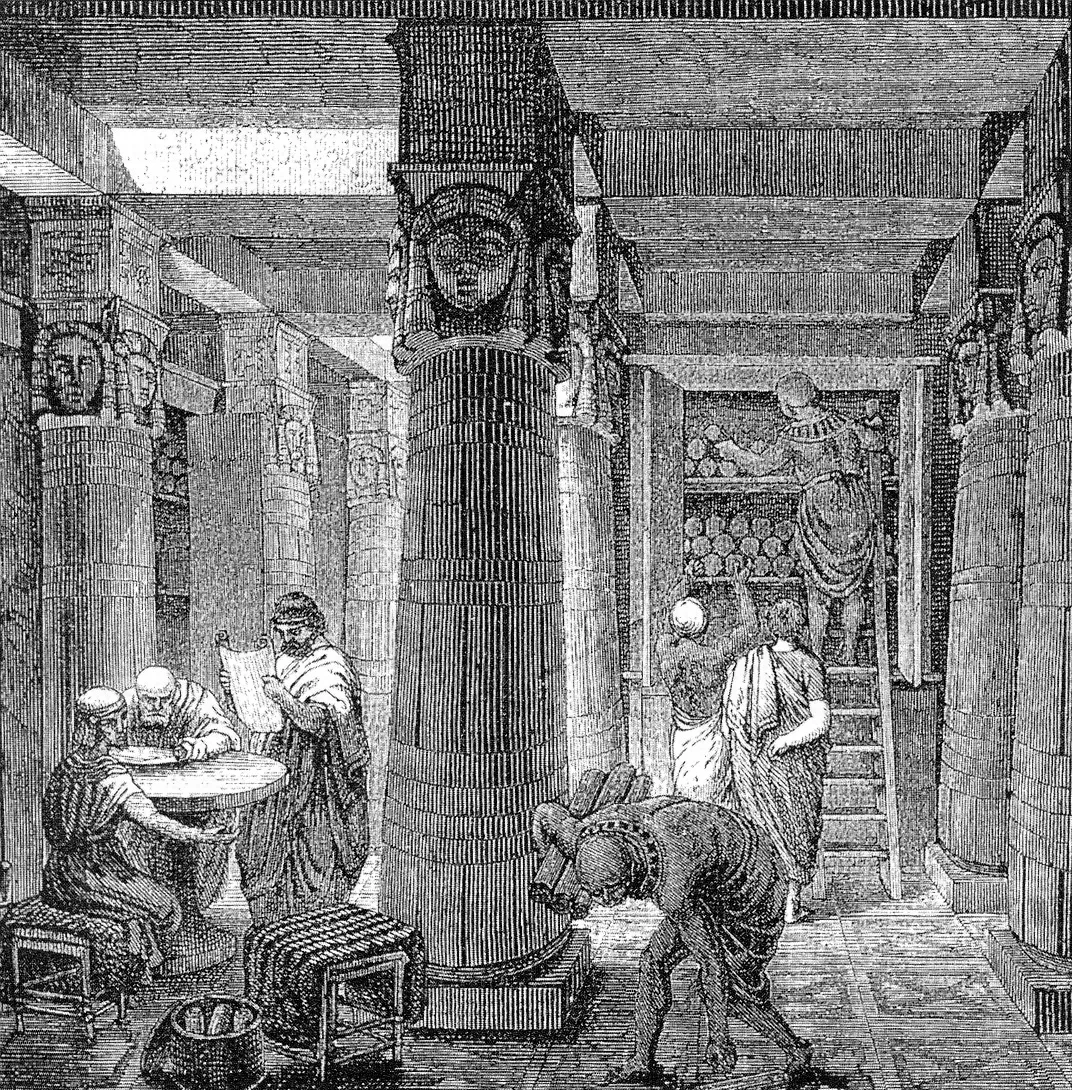
The Library of Alexandria is the most famous symbol of lost knowledge, and its destruction is usually told as a single fire: Julius Caesar’s in 48 BCE, or a Christian mob in 391 CE, or an Arab conquest in 642. Each of these stories has its advocates, and the last is generally regarded as a later legend.
Most historians now think the library declined over centuries rather than burning in a night. Royal funding dwindled. In 145 BCE Ptolemy VIII purged the city’s intellectuals, and the scholars dispersed. Papyrus rolls rot in all but the driest conditions and need recopying every few generations; a library that stops paying copyists loses its collection slowly, without anyone setting a match to it.
The single fire is a satisfying story because it gives the loss a villain. The slower version is harder to accept, because the villain is ordinary neglect: a long series of years in which nobody thought a particular text was worth the cost of another copy.
How did ancient texts survive at all?
Before printing, every surviving text from antiquity reached us because someone, at each stage of its journey, decided to copy it by hand. A work had to clear a series of hurdles. Papyrus rolls had to be transferred to parchment books, mostly between the second and fifth centuries CE. Later, in the Byzantine world of the ninth century, texts were recopied from the older capital letters into a new, faster script. At each transition, whatever nobody chose to copy was effectively abandoned.
The choices were shaped by schools. Teachers wanted a manageable selection, so a few plays by each tragedian became standard, were copied for students, and survived in many manuscripts. The rest did not. Euripides offers a revealing exception. Alongside his ten “select” plays, nine more survive that look nothing like a school selection. Their titles begin with only a few letters of the Greek alphabet, and scholars generally think they are the remnant of a complete edition arranged alphabetically, one or two volumes of which happened to survive. If that is right, Helen, Ion and Electra reached us not because anyone judged them worth keeping, but because they were filed under the right letters.
Survival, in other words, was a sequence of small decisions made by people with limited budgets and their own priorities. It was not a verdict on quality.
What happened to Sappho?
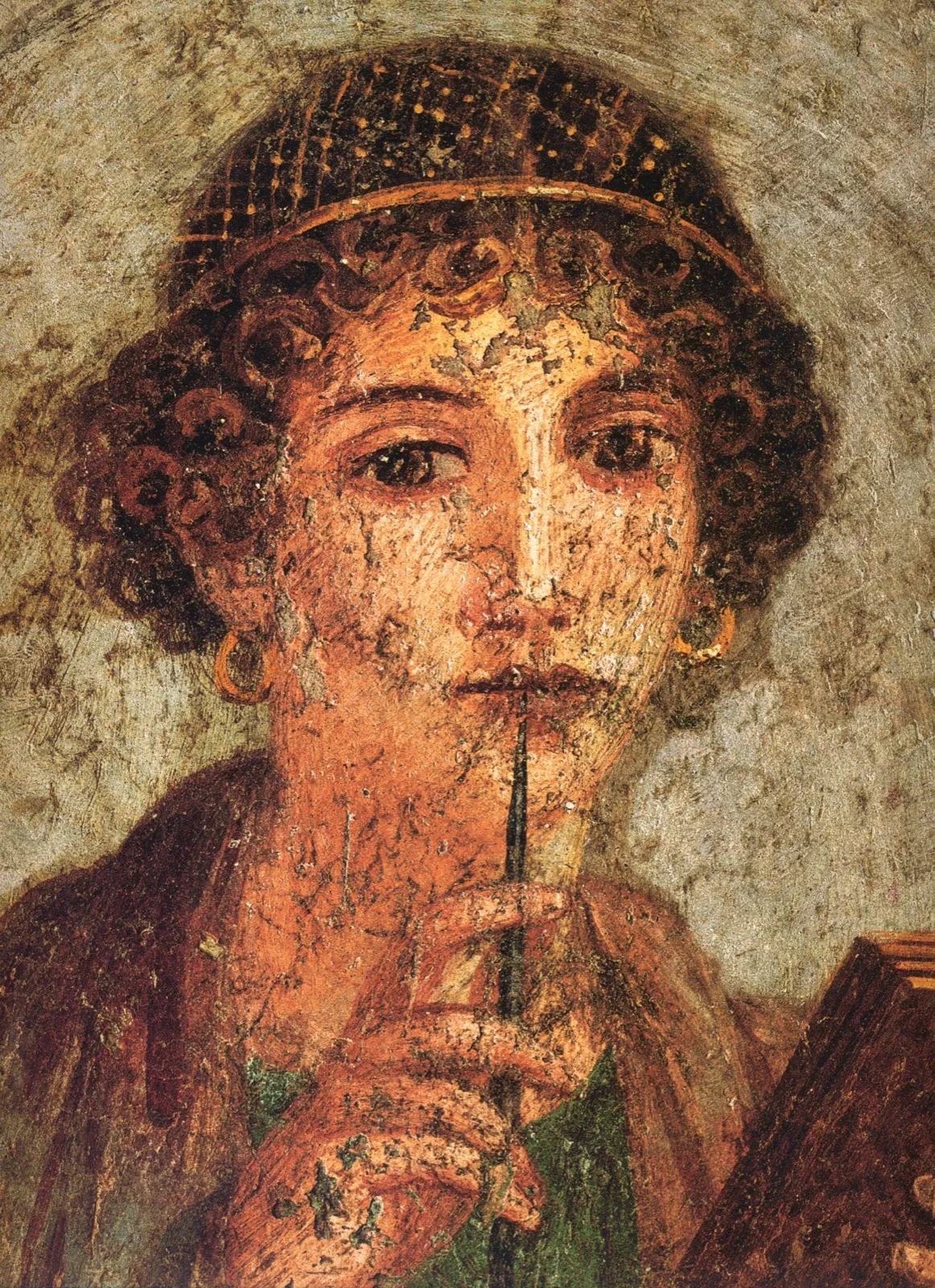 Fresco of a young woman with a stylus and wax tablets, from Pompeii, 1st century CE, often called “Sappho”. National Archaeological Museum, Naples. Photo by Wolfgang Rieger. Public domain.
Sappho of Lesbos was so admired in the ancient world that later writers called her the tenth Muse. Scholars in Alexandria collected her poems into nine books. Today one poem survives complete, the hymn to Aphrodite, preserved because a later critic quoted it whole as an example of polished style. A few others are nearly complete. The rest is fragments: lines quoted by grammarians to illustrate a point about dialect or metre, and scraps of papyrus recovered from the ancient rubbish dumps of Oxyrhynchus in Egypt from the 1890s onwards. A substantial new poem was identified on papyrus as recently as 2004.
Her work did not vanish because it was banned or burnt, although later legends claimed both. The likelier explanation is duller. Her poems were written in an Aeolic Greek dialect that later readers found difficult, and they were not part of the school curriculum. Once fewer people could read her easily, fewer people paid to have her copied.
Can lost works ever come back?
Occasionally. The most remarkable case is the Archimedes Palimpsest. In the tenth century, probably in Constantinople, a scribe copied several works by Archimedes onto parchment. In the thirteenth century that parchment was scraped and washed, cut, and reused for a prayer book completed in 1229. Parchment was expensive, and an old mathematical text that nobody could follow was worth less than a new liturgy.
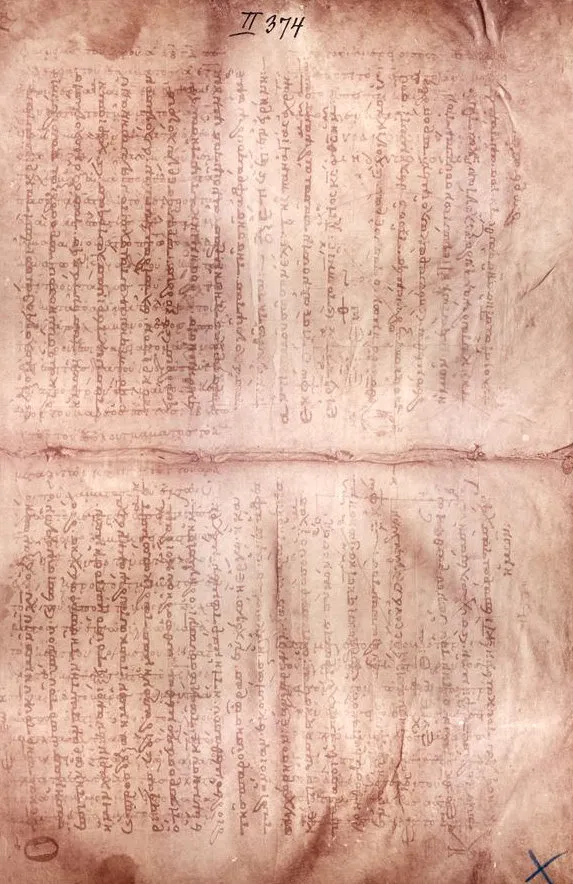 A page from the Archimedes Palimpsest, with the scraped text of Archimedes beneath the later prayers. The Walters Art Museum, 2008. CC BY 3.0.
In 1906 the Danish scholar Johan Ludvig Heiberg recognised Archimedes beneath the prayers and transcribed what he could. The book then disappeared, resurfaced at auction in New York in 1998, and was imaged with ultraviolet and other techniques that recovered much of the hidden text. Among it was The Method of Mechanical Theorems, which survives nowhere else and shows Archimedes reasoning in ways that anticipate parts of calculus.
The palimpsest is a story of recovery, but it is also a demonstration of how close we came to losing it, and of how much has certainly been lost in the same way without a lucky survivor.
Are we making the same mistake today?
The obvious assumption is that the problem has been solved. Printing made copies cheap, and digital files can be duplicated perfectly at no cost. Yet the twentieth and twenty-first centuries have lost material at a rate that would have impressed a Byzantine scribe.
In 2013 the Library of Congress published a study of American silent feature films made between 1912 and 1929. Of the 10,919 features released, only about 14 per cent survive complete in their original format. The rest survive in incomplete or inferior copies, or not at all. Many were lost to the instability of nitrate film, but many were simply not kept: once sound arrived, silent films had little commercial value, and storing them cost money.
In 2019 the social network MySpace admitted that music, photos and videos uploaded before 2015 had been lost during a server migration. Press estimates put the loss at around 50 million songs from some 14 million artists, many of them unknown musicians whose only recordings lived there. There was no fire and no villain. A company decided, or failed to decide, that the files were worth moving.
The mechanism is the same one that took most of Aeschylus. Material survives when someone, at each transition, chooses to carry it forward. The transitions are now faster: from one format, platform or device to the next every few years, rather than from papyrus to parchment over centuries. I have written elsewhere about what happens to your photos and videos when you die, and the answer is often the same as for the silent films. Nobody decides to delete them. Nobody decides to keep them either.
What is the largest category of lost works?
The works discussed so far at least existed. Someone wrote the plays, filmed the films and uploaded the songs. The largest category of loss is the work that was never made at all.
For nearly all of human history, the life stories of ordinary people were never recorded in any form. They lived in memory and conversation, and went with each generation. Even the oldest stories in the world survived only because they were retold, constantly, by people who thought them worth retelling. Most individual lives were not.
This is the version of the mistake that most of us are actually positioned to make. In the more than a hundred life stories I have filmed through The Archive since 2020, the most common regret I hear from families is not that a recording was lost. It is that one was never made. I recorded four hours of my own grandmother’s story before she died. Those hours exist because someone decided, while she was still here, that they were worth the effort of asking.
What does it take for something to survive?
The lesson of the lost works is not that everything will be lost. It is that survival is never the default. It is the accumulated result of people deciding, repeatedly, that something is worth keeping, and acting on that decision before the opportunity passes.
For the stories in your own family, that means two things. First, record them while the people who hold them can still tell them, on video, so that their faces and voices survive along with their words. Second, keep the recordings somewhere that will be carried forward, and in a form your family will actually find and watch. The Everyone app was built for exactly this: to film those stories one question at a time and keep them where the family can see them.
Aeschylus wrote around eighty plays, and the ones we have survived because enough people kept choosing to copy them. Your grandmother’s stories face the same test, with one difference. You are one of the people who gets to choose.