Questions to ask your nieces and nephews, the family's other witness.
Good questions to ask your nieces and nephews at every age, from five to adult, and how an aunt or uncle can film the answers for the family.
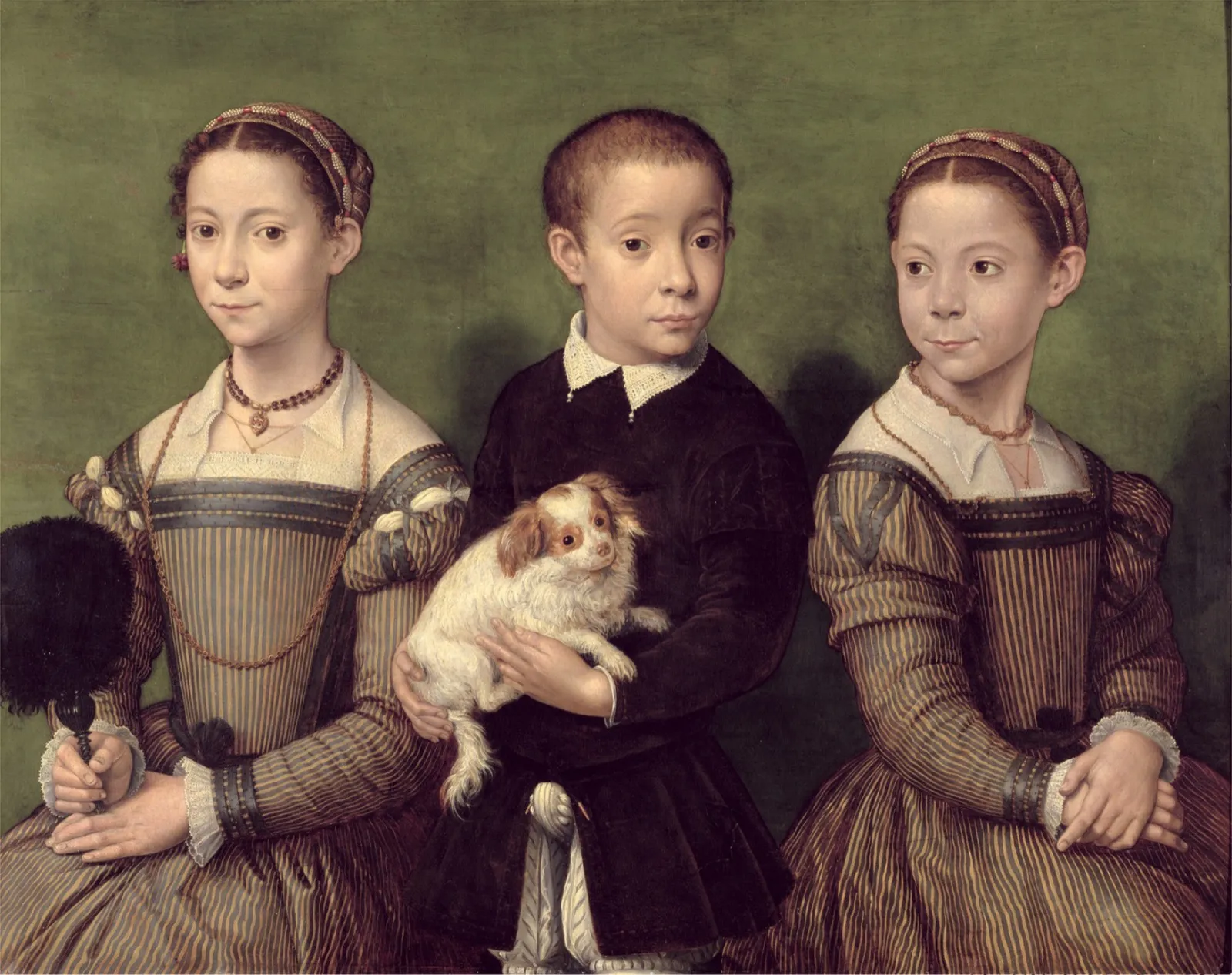
The English word “avuncular” comes from the Latin avunculus, which meant a mother’s brother. English kept the adjective for a particular kind of relationship: kindly, relaxed, a little indulgent. The Latin word nepos, which could mean either a grandson or a nephew, gave us “nepotism”, because medieval and Renaissance popes were known for finding positions for their nephews. Both words record the same thing. Societies have long noticed that an uncle or aunt sits in an unusual place beside a child, close enough to love them and far enough away to be trusted.
That position is useful if you want to know a child. A parent is responsible for a child’s homework, bedtime and behaviour, and the child knows it. An aunt or uncle is not, and children talk differently to the adult who is not in charge of them. If you are searching for questions to ask your nieces and nephews, you have probably sensed that you could learn things about them that their parents will not hear.
This post covers why the aunt or uncle is well placed to be the family’s recorder of the next generation, which questions work at different ages, and how to film the answers so they still matter in thirty years.
Why do children tell aunts and uncles things they do not tell their parents?
Anthropologists noticed the pattern long before it had a research literature. In 1924 the British anthropologist A. R. Radcliffe-Brown published “The Mother’s Brother in South Africa”, describing a society in which the maternal uncle was an indulgent figure, while the father was the one who disciplined. The details differ from place to place, but the general idea holds well outside southern Africa: where one adult holds authority, another is often free to be a confidant.
The mechanism is not mysterious. A child who tells a parent about a bad day risks consequences, advice or worry. A child who tells an aunt risks very little. You also have the advantage of distance. You see them a few times a year, so you notice change that their parents, who see them every day, do not. A parent sees a boy. An uncle sees that he has grown four centimetres, started a new sport and stopped mentioning his best friend.
Why does the next generation need an outside recorder?
Most family records are made by parents, and parents record the wrong things. They film birthdays, first steps and Christmas mornings, the events that look like milestones. They rarely record a child talking, at length, about what they think, fear, find funny or believe about the world.
There is also the problem of memory. Most adults cannot recall anything from before about the age of three or four, a gap psychologists call childhood amnesia, and what they can recall from their early school years is patchy. The person who remembers what you were like at six will, in due course, not be able to tell you. A recording can.
The best-known demonstration of this is the British documentary series that began with Seven Up! in 1964, which interviewed fourteen children aged seven and then returned to them every seven years. Its power does not come from anything dramatic. It comes from watching a child and, decades later, an adult in the same frame. I wrote about the idea in the Up series and what it teaches us about recording people. An aunt or uncle can do a small version of the same thing with a phone, and an annual conversation is enough to start.
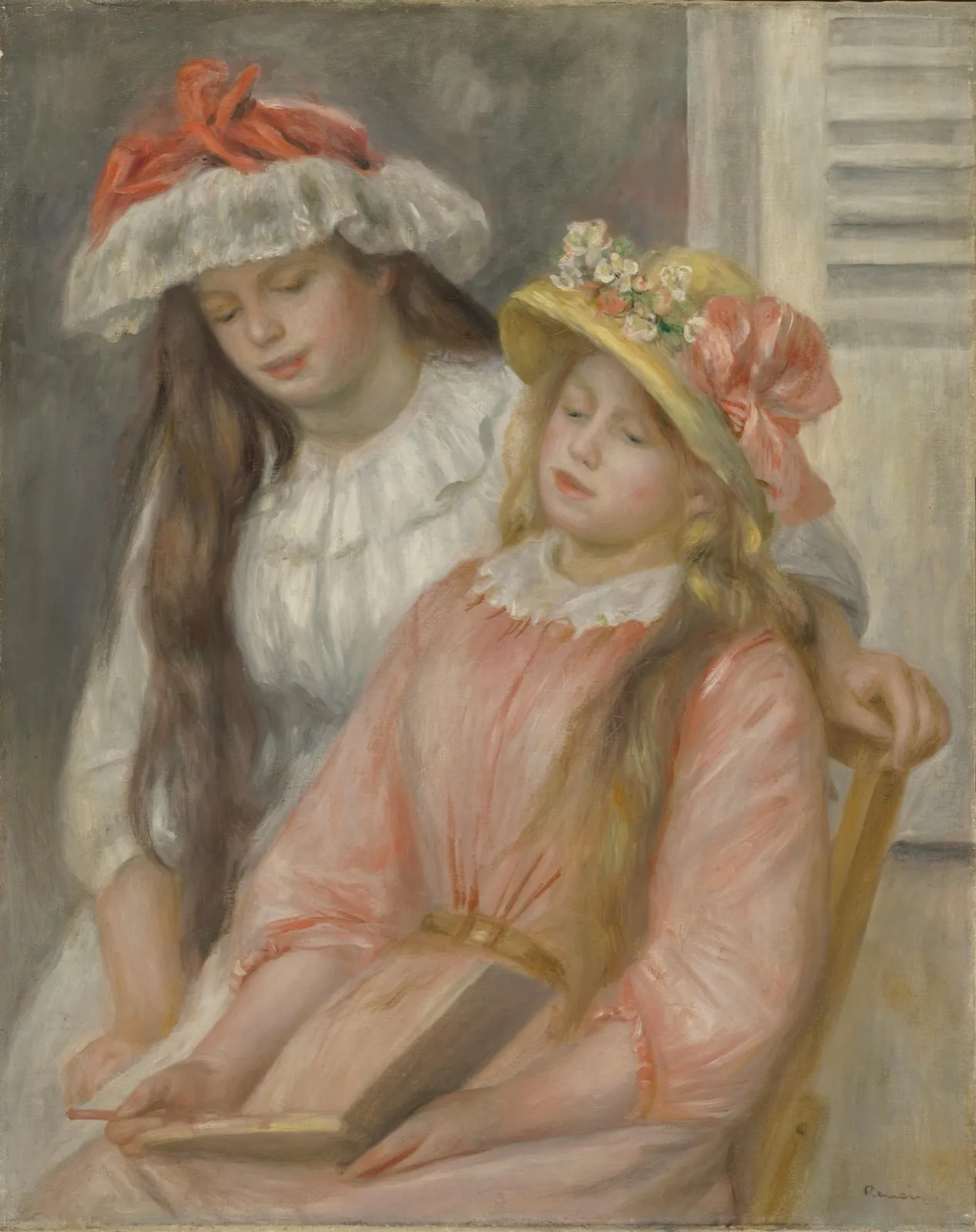 “Young Girls Looking at an Album” by Pierre-Auguste Renoir, c. 1892. Virginia Museum of Fine Arts. Public domain.
What are good questions to ask your nieces and nephews?
The right questions depend on age. Younger children answer best when asked about concrete things they can see or do. Teenagers answer best when they feel their opinion is wanted. Adults answer best when they are asked about something specific they have been through.
Ages 4 to 8
- What is your favourite thing to do at the moment? Can you show me?
- Who are your best friends, and what do you do together?
- What is the funniest thing that has happened at school this year?
- If you could have any animal as a pet, which would it be, and what would you call it?
- What do you want to be when you grow up? What would you do all day?
- What is the best meal Mum or Dad makes?
Ages 9 to 12
- What are you best at, and what are you trying to get better at?
- What do you and your friends spend most of your time talking about?
- What is something you believe that most of your friends do not?
- What is the most annoying rule in your house? Is there any reason for it?
- Which of your teachers do you like the most, and why?
- If you could change one thing about the world, what would it be?
Teenagers
- What is something you are worried about that people your age do not talk about?
- Which things your parents say do you think are right, and which do you think are out of date?
- What do you think life will be like when you are my age?
- What song, show or game would you want me to understand, so I understand you?
- What is something you wish adults asked teenagers more often?
- Who has influenced you most, and what did they do?
Adult nieces and nephews
- What do you remember about me when you were little?
- What did your parents say about our family that you now think was wrong?
- What do you want your own children to know about where they come from?
- What was the hardest year of your life so far, and what helped?
- What do you remember about Grandma and Grandpa that no one else would?
For a longer list aimed at children in your own household, see questions to ask your kids. Many of them work just as well for a niece or nephew.
How do you ask questions that children actually answer?
Children give short answers to closed questions and long answers to open ones, which is why the usual interviewing advice applies with extra force. “Did you like school today?” gets a “yes”. “What was the best part of today, and what was the worst?” gets a story. I set out the reasoning in how to interview someone with open-ended questions.
Three habits help.
Ask about things, not feelings. A child will describe their bedroom, their dog or their best friend long before they will describe how they feel. The feelings arrive inside the description.
Let them lead. If a six-year-old wants to talk about dinosaurs for ten minutes, that is the interview. What they choose to explain at length tells the people who watch later more about them than a planned answer would.
Do not correct them. A child who says that the moon follows the car is not wrong in a way that matters on the recording. Their version of the world at that age is the thing worth keeping.
What should a teenager be asked, and how?
Teenagers are the hardest to interview and the most rewarding. They are alert to being managed, and they will not give a stranger’s kind of answer to a question that sounds like a lecture in disguise. Ask them for expertise instead. A teenager who is asked to explain a game, a band or an online community to an older person often becomes fluent and generous, because they are now the authority.
Always ask permission, and make it real. Tell them who will see the video, which in most cases is no one until they say so. A recording made with a teenager’s consent can be the most valuable one in the set, because it captures them at an age that most people want to forget and most families later want to remember.
How do you film a niece or nephew?
The practical points are the same as for any interview, with a few changes for children. See how to film an interview at home for light and sound.
- Keep it short. Five to ten minutes is plenty for a young child. Stop before they do.
- Film at their level. Sit on the floor or at the same table, with the phone propped up beside you rather than held at arm’s length.
- Do it in a familiar place. A kitchen table or the back step works better than a staged setting.
- Keep the question the same each year. Ask “What is your favourite thing at the moment?” every birthday, and a few years of answers become a record of a person developing.
- Ask them to ask you a question. Children enjoy turning the interview around, and the answers record you as well.
What can an aunt or uncle give a family that nobody else can?
An aunt or uncle can stand slightly to one side, ask a question and listen to the whole answer. That is a rare thing for a child to receive, and a rare thing for a family to have recorded.
The family record we keep is mostly of the old. In my own work, filming more than a hundred life stories since 2020, the pattern is clear: people are asked about their lives late, if at all. It is worth asking the young early.
The Everyone app can offer a question at a time and save each answer as a short video, which suits a child’s attention span. A phone on the kitchen table does the same job.
Where to start
Pick one niece or nephew and one question. Ask it next time you see them, and ask whether you can film the answer. Then put a reminder in your calendar for the same week next year and ask the same question again. In ten years you will have a record that their parents, their grandparents and the nephew himself will be glad to have, and that only you were placed to make.