
Most time capsules are lost. Here is how to make one that is opened.
Most time capsules are lost, flooded or forgotten. A short history of the time capsule, and time capsule ideas for one your family will want to open.
Some time in the sixth century BCE, Nabonidus, the last king of Babylon, ordered his workmen to dig beneath the temple of the sun god Shamash at Sippar. He was looking for its original foundations. What he found was a message. A king named Naram-Sin had buried an inscription there, intended for whoever rebuilt the temple after him. Nabonidus recorded the discovery on clay cylinders of his own, which he buried in turn. He claimed that no king before him had seen Naram-Sin’s inscription in 3,200 years. He was out by a long way: Naram-Sin ruled around 2250 BCE, closer to 1,700 years earlier. But the message had arrived.
This is why Nabonidus is often called the first archaeologist. It is also why I think of him as the first person on record to open a time capsule. Mesopotamian kings regularly buried inscribed objects in the foundations of their buildings, addressed to future rulers: remember my name, restore my work, and if you erase my name, may the gods curse you. They were writing to strangers in a future they could not imagine.
The modern time capsule has the same ambition and, it turns out, a worse success rate. If you are looking for time capsule ideas, the most useful place to start is not with what to put in, but with why most capsules are never opened, and why many that are opened disappoint.
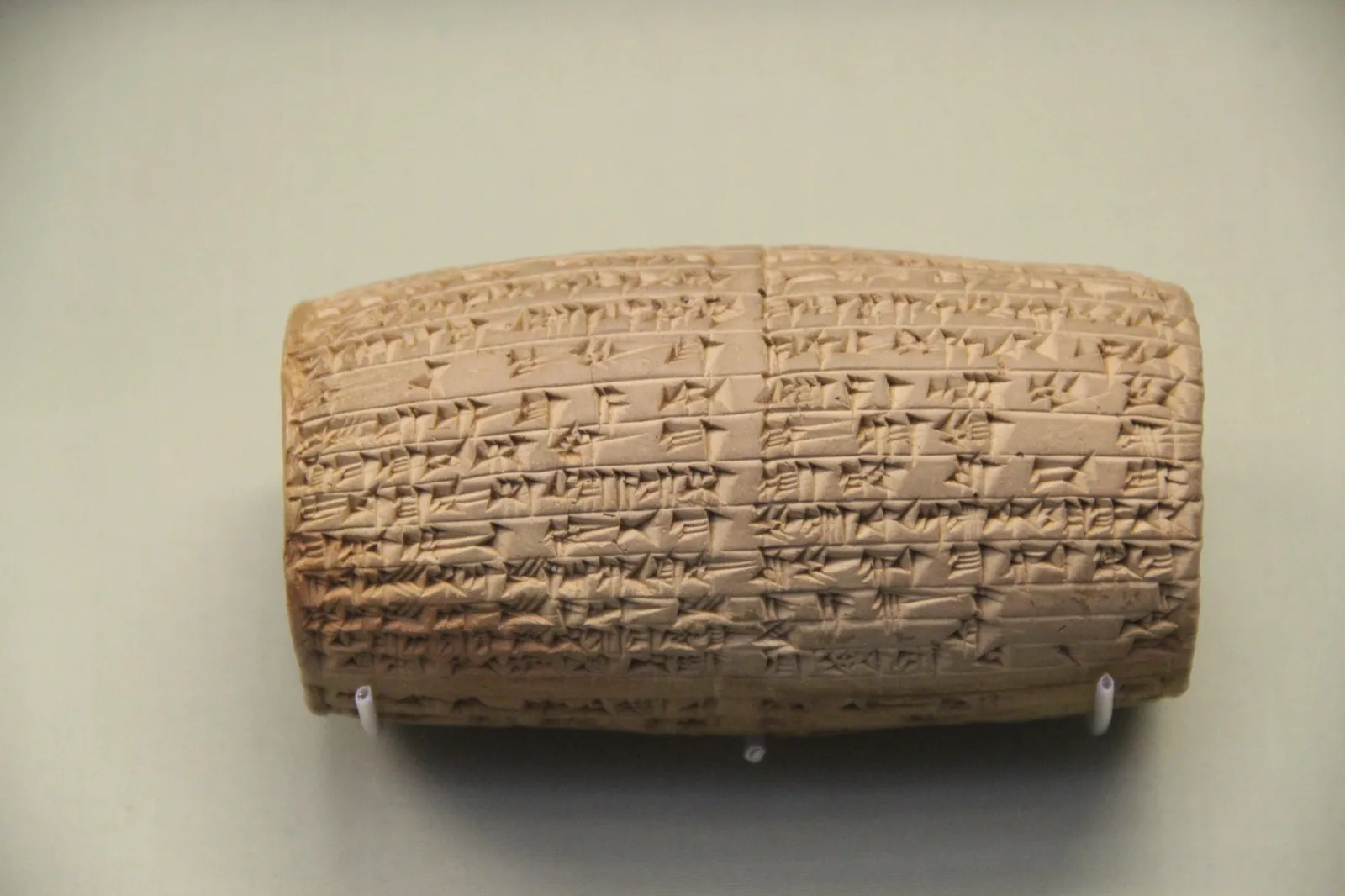 A clay cylinder inscribed for King Nabonidus, 6th century BCE, British Museum. Photo by Gary Todd. CC0.
Where did the time capsule come from?
The phrase itself is younger than you might expect. In 1938 the Westinghouse Electric and Manufacturing Company prepared a torpedo-shaped container, made of a copper alloy it called Cupaloy, for the New York World’s Fair. Its public relations consultant, G. Edward Pendray, wanted to call it a “time bomb”. The military overtones were thought unwise, and he settled on “time capsule”. It was lowered fifty feet into the ground at Flushing Meadows in September 1938, and it is meant to be opened in the year 6939.
The organisers took the problem of the distant future seriously. Inside were seeds, fabrics, a Sears catalogue, copies of Life, a kewpie doll, more than ten million words on microfilm, and a fifteen-minute newsreel. There were messages from Albert Einstein, Thomas Mann and the physicist Robert Millikan. Because nobody in 6939 would know where to dig, Westinghouse printed a Book of Record explaining the capsule’s location and contents, and sent more than three thousand copies to libraries, museums and monasteries around the world. The book included a guide, prepared by the Smithsonian linguist John P. Harrington, to help future readers decode the English language.
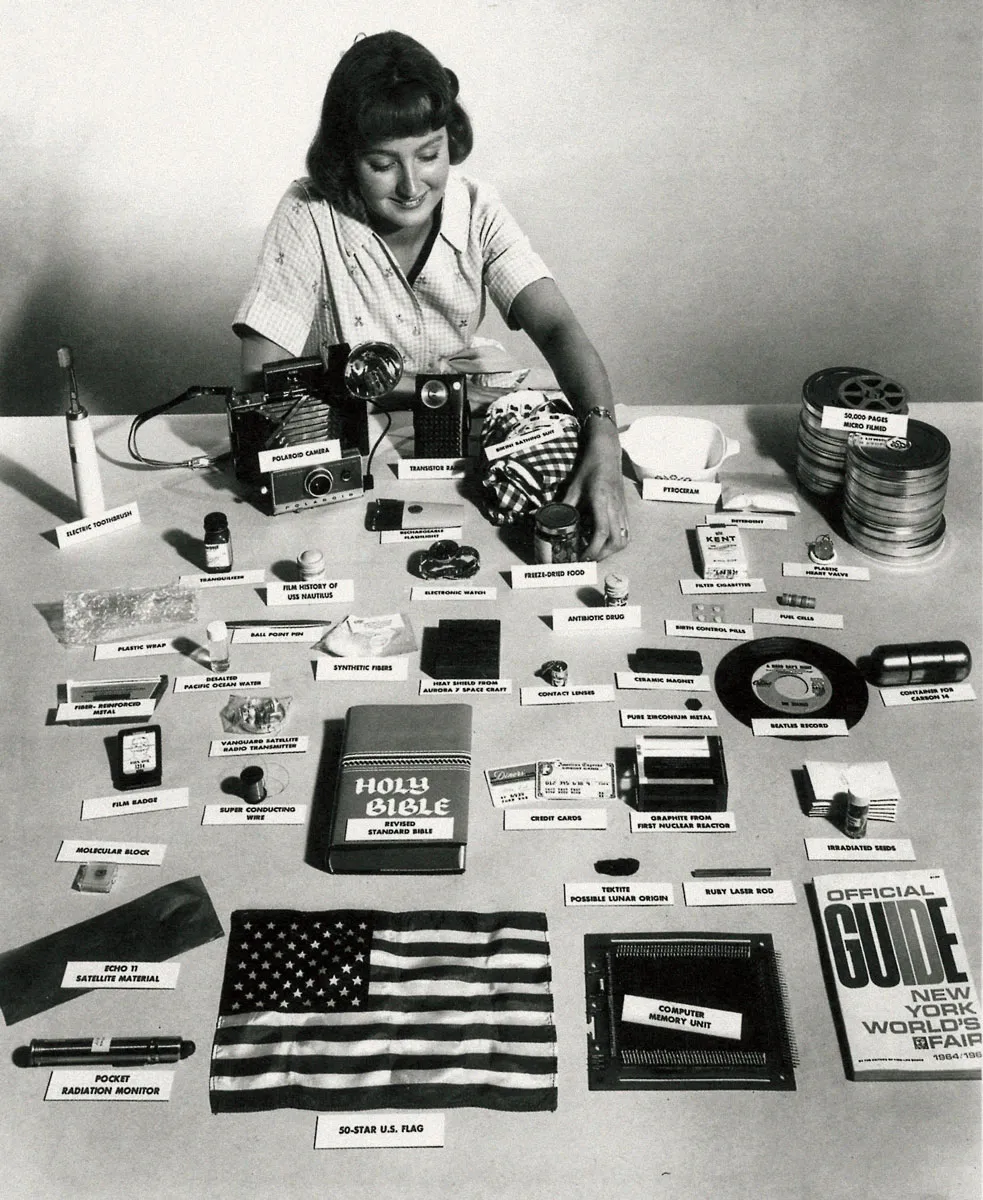
A rival project was sealed in Atlanta in 1940. The Crypt of Civilization, a room beneath Oglethorpe University, holds microfilm, sound recordings, books and household objects, along with projectors and readers so that whoever opens it in the year 8113 can see and hear what is inside. A second Westinghouse capsule followed in 1965, buried ten feet from the first, with a Beatles record, credit cards and a film about a nuclear submarine.
These were capsules addressed to civilisation. What followed were thousands of smaller ones, addressed to particular towns, schools and families, and that is where the trouble started.
Why do most time capsules fail?
The International Time Capsule Society, founded at Oglethorpe in 1990, has estimated that there are around 10,000 time capsules in the world and that most of them are lost. The most quoted figure is that roughly 9,000 of the 10,000 cannot be found. The number is an estimate, and an old one, but the pattern behind it is consistent. Capsules fail in three ways.
They are forgotten. A time capsule is a promise that some future group of people will remember to do something on a particular day. The society’s co-founder, Paul Hudson, has said that poor record-keeping and simple forgetfulness are the main causes of loss. The committee disbands, the plaque is moved, and the person who knew where it was retires or dies. Westinghouse understood this, which is why it printed three thousand copies of the instructions. Almost nobody else does.
They are destroyed by water. In 1957 the city of Tulsa, Oklahoma, buried a brand-new Plymouth Belvedere in a concrete vault as part of its Golden Jubilee celebrations, to be dug up fifty years later. The vault was described as strong enough to withstand a nuclear attack. When it was opened in June 2007, water had found its way in. The car was rusted through, and the contents of a handbag in the glovebox had fused into a lump. Only the items sealed in a steel container in the boot came through intact. Burial underground, the default for a time capsule, is close to the worst storage environment there is.
They are boring. This is the failure nobody talks about. Many capsules are opened on schedule, in good condition, and the contents are a newspaper, some coins, a programme from the dedication ceremony and a letter from the mayor, all of which were already preserved elsewhere. The crowd looks at the objects politely and goes home.
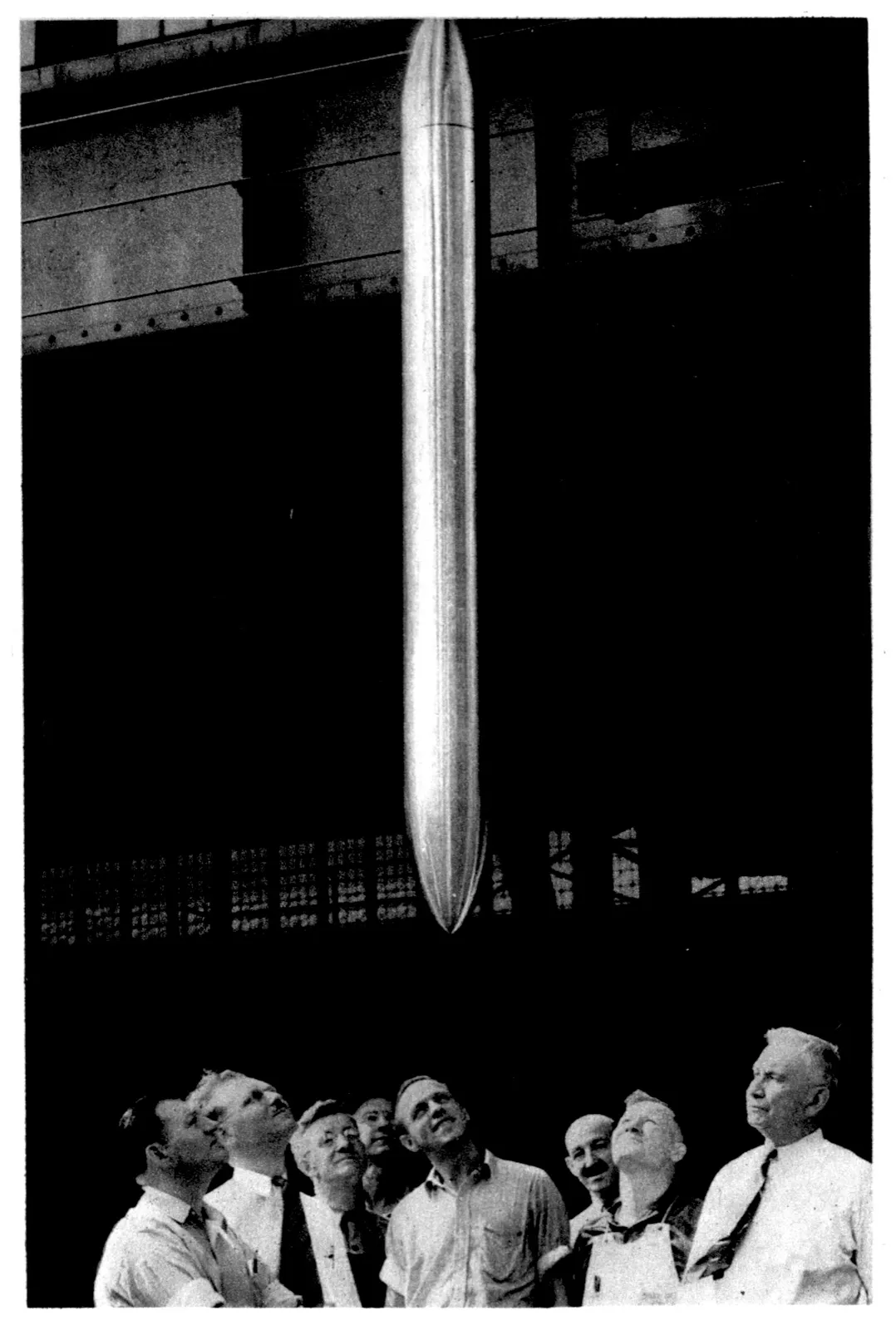 The Westinghouse time capsule before burial, from “The Book of Record of the Time Capsule of Cupaloy”, Westinghouse, 1938. Public domain.
What makes a time capsule worth opening?
The third failure points to the answer. A time capsule is worth opening in proportion to how much of its contents could not have been found any other way.
Consider what would have been most valuable if the Westinghouse capsule were opened today rather than in 6939. Not the Sears catalogue, which historians can read in archives. Not the issues of Life, which are online. The things a historian would most want are the things that were never published: what an ordinary person in 1938 thought, feared and joked about, in their own words, with their own face. Westinghouse came closest with the newsreel, and the builders of both great capsules took the trouble to include film or sound. They understood that a recording of a person conveys something no object can.
The same logic applies to a family capsule, only more strongly. Your grandchildren will be able to look up what petrol cost in 2026 and what the front page said. They will not be able to look up what you were like. The ancient kings who buried foundation deposits recorded their names and titles, and that is roughly all we know about many of them, much as most people today are remembered only by a name scratched somewhere. The items worth burying are the ones that carry a person rather than a period.
Time capsule ideas that are worth the effort
With that principle in mind, here is what I would put in a family time capsule, roughly in order of value.
- A video of each person answering the same questions. What is an ordinary day like for you? What are you worried about? What do you think will have changed when this is opened? What do you want the person opening this to know? Same questions for everyone, from the youngest child to the oldest grandparent, filmed in one sitting.
- A recording of the oldest person in the family telling a story from their childhood. This is the item most likely to be irreplaceable by the time the capsule is opened. If you need questions, questions to ask your grandparents is a good place to begin.
- A letter to a named person at a named age. “To Mia, on her twenty-first birthday” will be read with far more attention than “To whoever finds this”.
- Predictions, signed and dated. Specific ones: who will be prime minister, what a loaf of bread will cost, whether anyone will still drive. Being wrong is part of the pleasure.
- Children’s drawings, with a short video of the child explaining them. The drawing alone is a curiosity. The child describing it is a memory.
- A recorded walk through your home. Five minutes of someone filming each room and saying what happens there. The house will change, and nobody photographs a hallway.
- One ordinary object with its story attached. A key, a mug, a toy. Without a note or recording explaining why it mattered, it is just an object. Leave out anything that can rot, leak or corrode: food, batteries, rubber bands, anything with glue.
How do you make sure it is actually opened?
The lessons of the lost 9,000 are straightforward.
- Choose a sensible opening date. Ten to twenty-five years is long enough to be surprising and short enough that the people who made it will still be there. A capsule for 6939 is a gesture. A capsule for a child’s twenty-first birthday is an event.
- Do not bury it. Keep it indoors, in a cool, dry place, in an airtight container. A wardrobe is safer than a garden.
- Tell several people, and write it down. Put the opening date in more than one calendar and leave a note with your will or important papers. Do what Westinghouse did, on a smaller scale.
- Plan for formats to change. A USB stick sealed in 2026 may have no port to plug into in 2046. Keep copies of any recordings in more than one place, in common formats. More on why digital files are fragile in what happens to your photos when you die.
The capsule you do not have to bury
Nabonidus was moved by finding a name and a few lines of royal boilerplate. Seventeen centuries had stripped away everything else about Naram-Sin. Most of what we leave behind will be stripped back in the same way, unless we deliberately leave the thing that carries the most: a person speaking.
I have four hours of my grandmother telling me her life story, and she has since passed away. It was not made as a time capsule, but that is what it has become. What it preserves is not information about the past. It is her face and her voice, which no object in a box could have carried.
That kind of recording no longer needs a vault. Everyone, a free app for filming family stories, can keep a set of answers sealed as a time capsule until a date you choose. Whether you use it or a box in the wardrobe, the principle is the same. Put in what cannot be found anywhere else, make sure someone remembers, and choose a date you might still be around to see.


