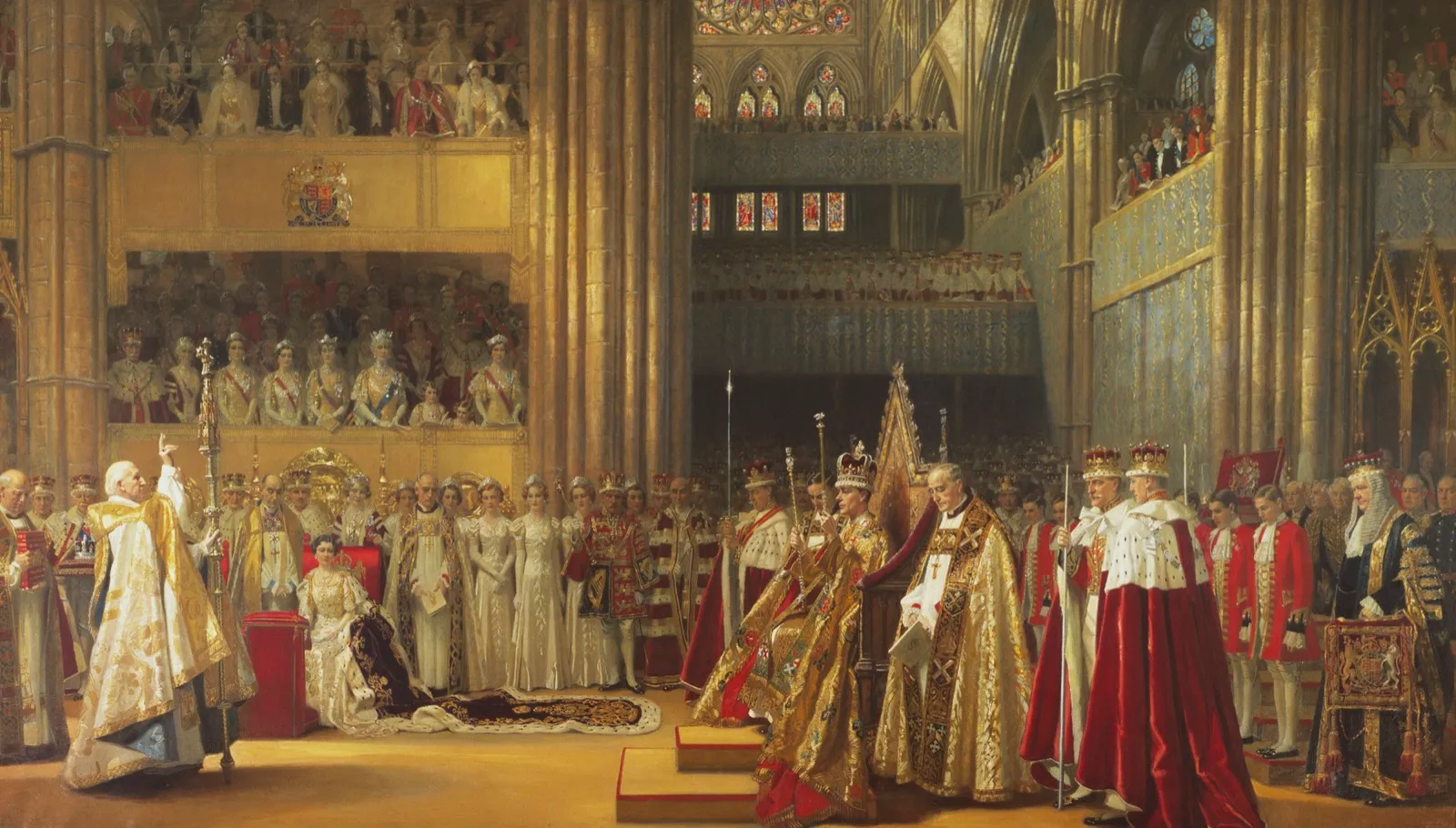
The earliest biographies were written for kings. The best of them were about jokes.
The earliest biographies were carved on tombs and written for kings. The best ancient biographers knew a person shows more in a jest than in a battle.
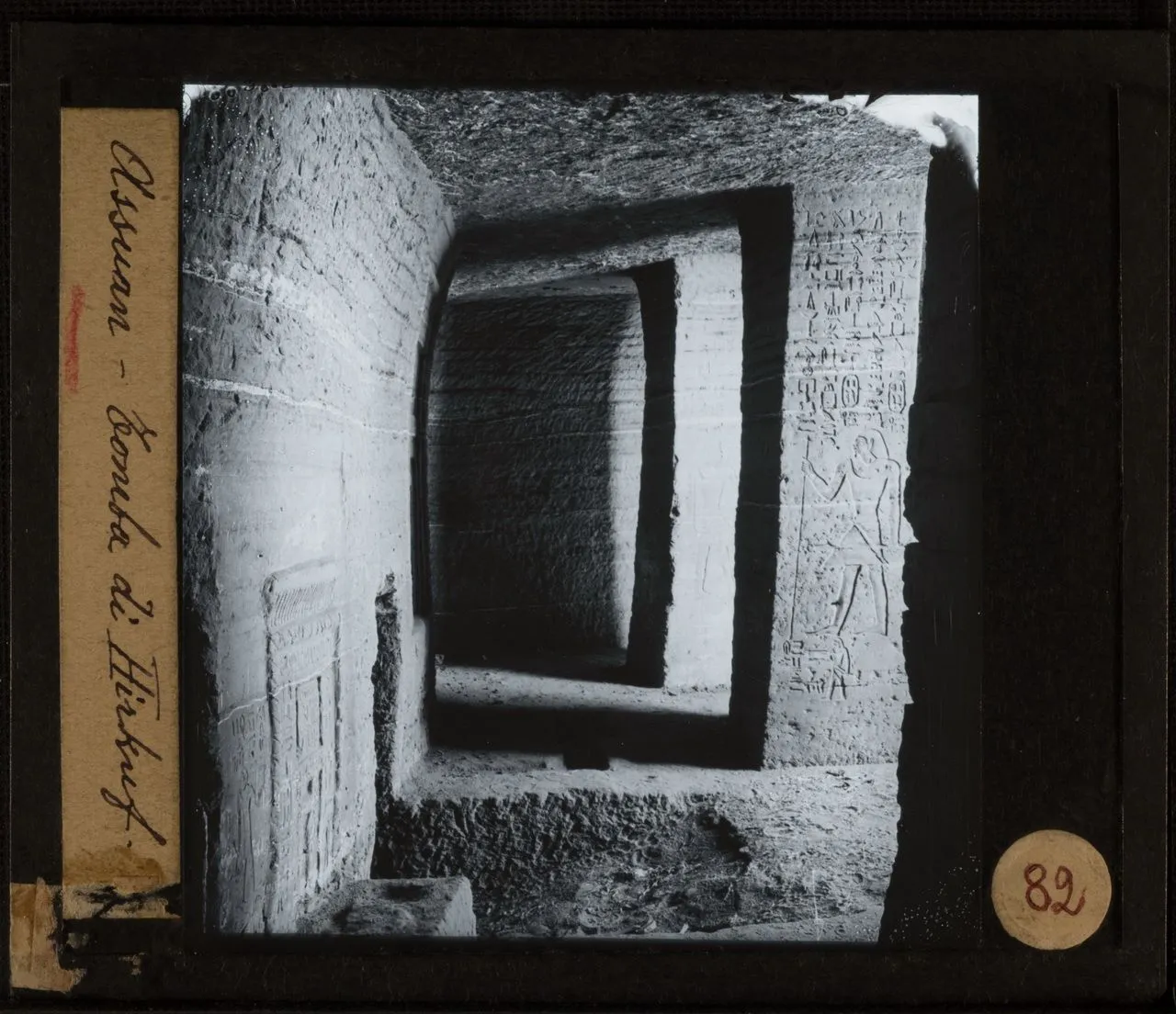
Around 2250 BCE, an Egyptian official named Harkhuf came home from a long expedition south into Nubia with ebony, incense, ivory and something the king wanted far more: a small dancer, described in the text as a dng of the god’s dances, usually translated as a dwarf or pygmy. The king was Pepi II, who had come to the throne as a child and was still a boy. He wrote Harkhuf an excited letter. Bring the dancer quickly, alive and well. Put trustworthy men around him on the boat so he does not fall into the water. Check on him ten times a night.
Harkhuf was so proud of that letter that he had it carved on the front of his tomb at Qubbet el-Hawa, opposite Aswan, beside the account of his journeys. More than four thousand years later it is still there. It is one of the oldest surviving pieces of life-writing about a specific person, and the most human thing in it is not the expeditions or the titles. It is a child-king worrying that his new dancer might drown.
That detail turns out to be a good guide to the whole history of the earliest biographies. For most of that history, being written about was reserved for the powerful. But the writers who did it best kept arriving at the same conclusion: what reveals a person is rarely the list of achievements. It is the small, specific, unguarded thing.
What were the earliest biographies?
The first biographies were not written by biographers. They were tomb inscriptions from Old Kingdom Egypt, composed in the first person as if the dead official were speaking, and meant to be read by the living who passed by.
Harkhuf’s is one of the best known. Another belongs to Weni, a Sixth Dynasty official who served three kings and rose, by his own account, to governor of Upper Egypt. His inscription, found at Abydos and now in the Egyptian Museum in Cairo, lists his promotions, campaigns and building works.
These texts had a practical purpose. In the Egyptian view memory and the afterlife were connected, so they lean heavily on formulas. Harkhuf’s includes a line that appears, with variations, in many tombs: “I gave bread to the hungry, clothing to the naked, I ferried him who had no boat.” It is a moral résumé, and the problem with résumés is that they all look the same. Read enough tomb biographies and the officials blur together: all generous, all loyal, all favoured by the king. The letter about the dancer stands out because it breaks the formula.
Who wrote the first biography of someone else?
Writing about another person’s life, as a work of literature in its own right, appears in Greece in the fourth century BCE. Around 370 BCE, the Athenian teacher Isocrates wrote the Evagoras, a prose tribute to Evagoras, the king of Salamis in Cyprus, who had died a few years earlier. It was addressed to the king’s son and successor, Nicocles. Isocrates announced, with some pride, that nobody had attempted this before: to praise the virtues of a contemporary man in prose rather than in verse.
Xenophon soon did something similar in the Agesilaus, about the Spartan king he had served alongside. Both works are closer to eulogy than to biography as we would understand it. But they established the idea that a single life was worth a book, and the Evagoras was written for a son who had just lost his father. The impulse behind one of the first biographies in European literature was the same one behind a eulogy.
Why did Plutarch care more about a jest than a battle?
The ancient biographer who shaped the genre most is Plutarch, a Greek writer living under Roman rule around 100 CE. His Parallel Lives pairs famous Greeks with famous Romans, Alexander with Julius Caesar, Demosthenes with Cicero, and around fifty of his lives survive.
At the start of his life of Alexander, Plutarch explains what he is doing and what he is not. In Bernadotte Perrin’s 1919 translation:
For it is not Histories that I am writing, but Lives; and in the most illustrious deeds there is not always a manifestation of virtue or vice, nay, a slight thing like a phrase or a jest often makes a greater revelation of character than battles where thousands fall.
This is the central insight of biography. A battle is shaped by terrain, weather, numbers and luck; it tells you about the circumstances a person was in. A remark made over dinner tells you about the person. So Plutarch filled his lives with anecdotes and sayings, comparing himself to a portrait painter who concentrates on the face and the eyes.
The Roman writer Suetonius, a few decades later, went further. His Lives of the Caesars, published around 121 CE, records that Augustus had small, widely spaced teeth, slightly curly fair hair and eyebrows that met. Some of it is gossip. It is also why the Caesars still feel like people rather than statues.
What did Sima Qian do differently?
At almost the same time as the Greek tradition was taking shape, a Chinese historian was building something larger and stranger. Sima Qian, court historian to Emperor Wu of the Han dynasty, completed the Shiji, the Records of the Grand Historian, around 94 BCE. It runs to 130 chapters, and roughly half of them are biographies.
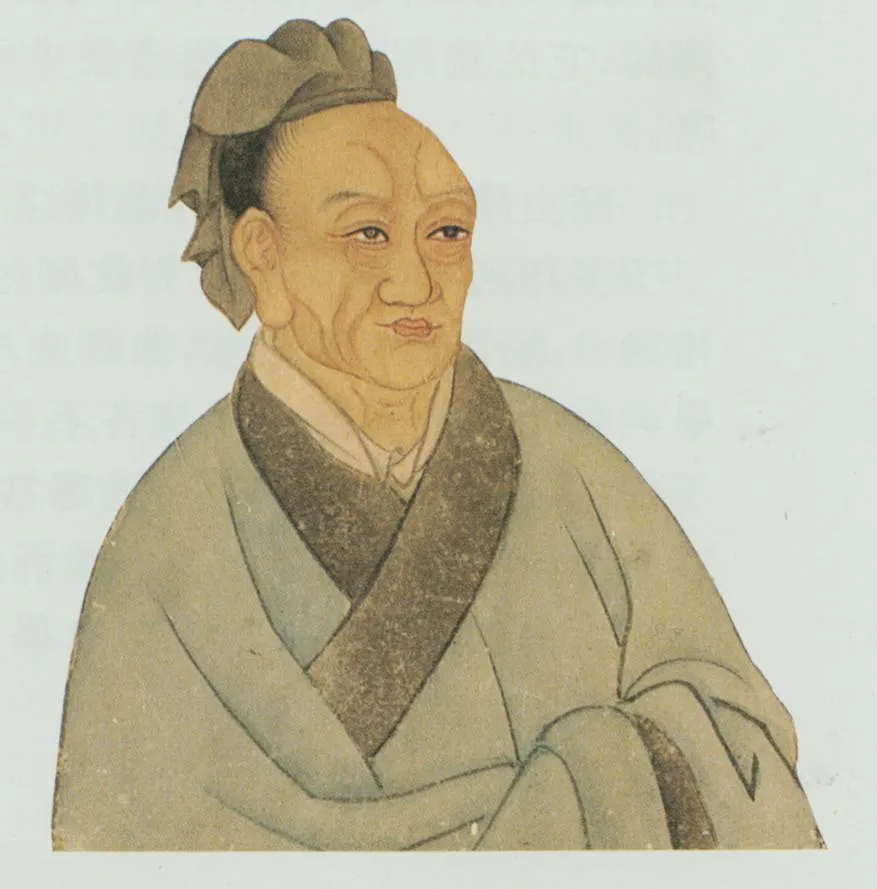 A later imagined portrait of Sima Qian (c. 145–86 BCE). Artist unknown. Public domain.
Two things make the Shiji remarkable. The first is how it came to be written. The project was begun by Sima Qian’s father, Sima Tan, who died before he could finish it and asked his son to complete it. In 99 BCE, Sima Qian spoke up for a general, Li Ling, who had surrendered after a defeat, and the emperor had him sentenced to death. He could have taken the honourable way out. Instead he accepted castration, a punishment considered deeply shameful, so that he would live to finish the book his father had started. The first great history of China is also a son keeping a promise.
The second is whose lives he chose to record. Alongside emperors, ministers and generals, the Shiji has chapters of biographies of assassins, of wandering knights, of court jesters and of merchants and money-makers. Sima Qian clearly believed that people outside the official hierarchy could be worth remembering, which puts him two thousand years ahead of the historians who later argued for history from below.
Why were so many early biographies written by family?
Look at the earliest biographies together and a pattern appears. Isocrates wrote for a grieving son. Sima Qian finished his father’s work. In 98 CE the Roman historian Tacitus wrote the Agricola, a life of his father-in-law, Gnaeus Julius Agricola, the general who governed Britain, published a few years after Agricola’s death. Tacitus opens by noting that recording the deeds and character of notable men was an old custom, and that he is writing partly out of devotion to a man he loved.
Biography began very close to the family. The motive was not scholarship but loss. What separated those families from most families in history was access: you needed to be important enough to justify a biography and to have someone near you who could write one. The soldiers in Plutarch’s battles and the sailors on Harkhuf’s boat got no lives. At best they appear as a line in someone else’s.
How did Boswell change biography?
The method that most modern biography still follows was worked out in the eighteenth century by a young Scot who would not stop taking notes. On 16 May 1763, in Thomas Davies’s bookshop in Covent Garden, James Boswell, aged twenty-two, met Samuel Johnson, then fifty-three. For the next two decades Boswell recorded Johnson’s conversation in his journals, often writing it up the same night: what Johnson said, how he said it, who he said it to and how they reacted.
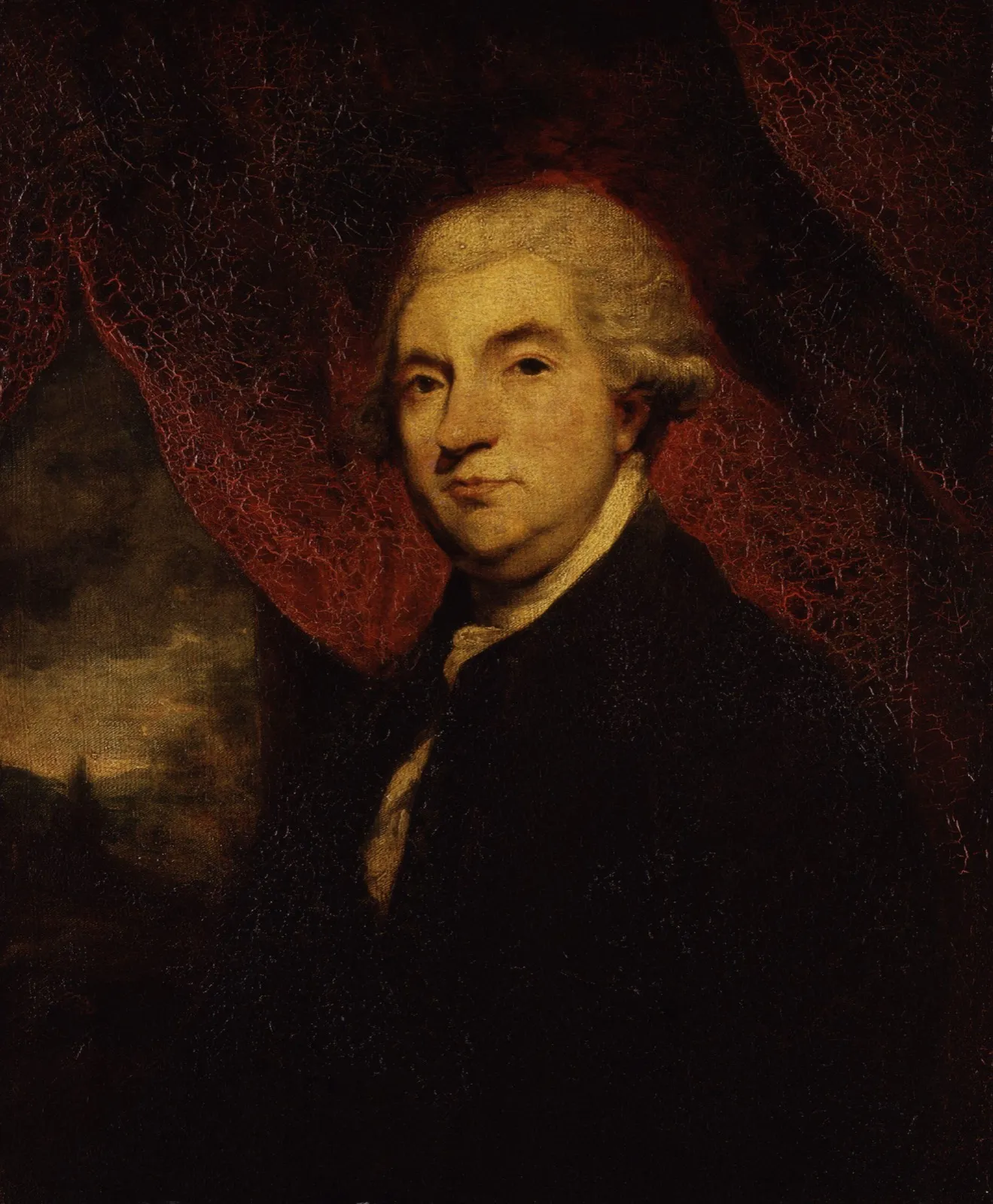 James Boswell by Sir Joshua Reynolds, 1785. National Portrait Gallery, London. Public domain.
The Life of Samuel Johnson appeared in 1791, twenty-eight years to the day after that first meeting. It is still often described as the greatest biography in English, and the reason is not Johnson’s achievements, considerable as they were. It is that Boswell kept the talk. We can still hear Johnson’s voice: his prejudices, his wit, his kindness and his rudeness. Boswell had taken Plutarch’s principle, that the phrase and the jest reveal character, and built a method around capturing them as they happened.
He did it with a pen and a good memory. Even so, the sound of Johnson’s voice, his famous tics and the expression on his face as he delivered a line were lost. Boswell could record the words, and only describe the rest.
What would the first biographers have done with a camera?
Every one of these writers was trying to preserve the same thing, and every one was limited by the medium. Harkhuf could carve a letter. Plutarch collected anecdotes, often centuries late. Boswell could transcribe a conversation, but not the voice in which it was spoken.
A video recording does what all of them were reaching for. It keeps the phrase and the jest, and also the timing, the tone, the hesitation and the face. In the more than a hundred life stories I have filmed through The Archive since 2020, the moments families return to are rarely the summaries of a career. They are the asides: a story told with a particular laugh, a remark only that person would make. Of the four hours I filmed with my grandmother, the parts I value most are exactly what Plutarch said history leaves out.
For four thousand years, a biography was something that happened to a few important people, usually after they had died, usually written by someone who loved them. The love was never the scarce part. The means were. Anyone with a phone can now do for a parent what Tacitus did for his father-in-law, and keep far more than he could. The Everyone app was built for that: filming one question at a time, so a person’s own face and voice are kept for the people who come after. What remains is the part that has always mattered most, which is someone deciding to ask. If you would rather start with yourself, there is a case for writing, or filming, your own life story too.