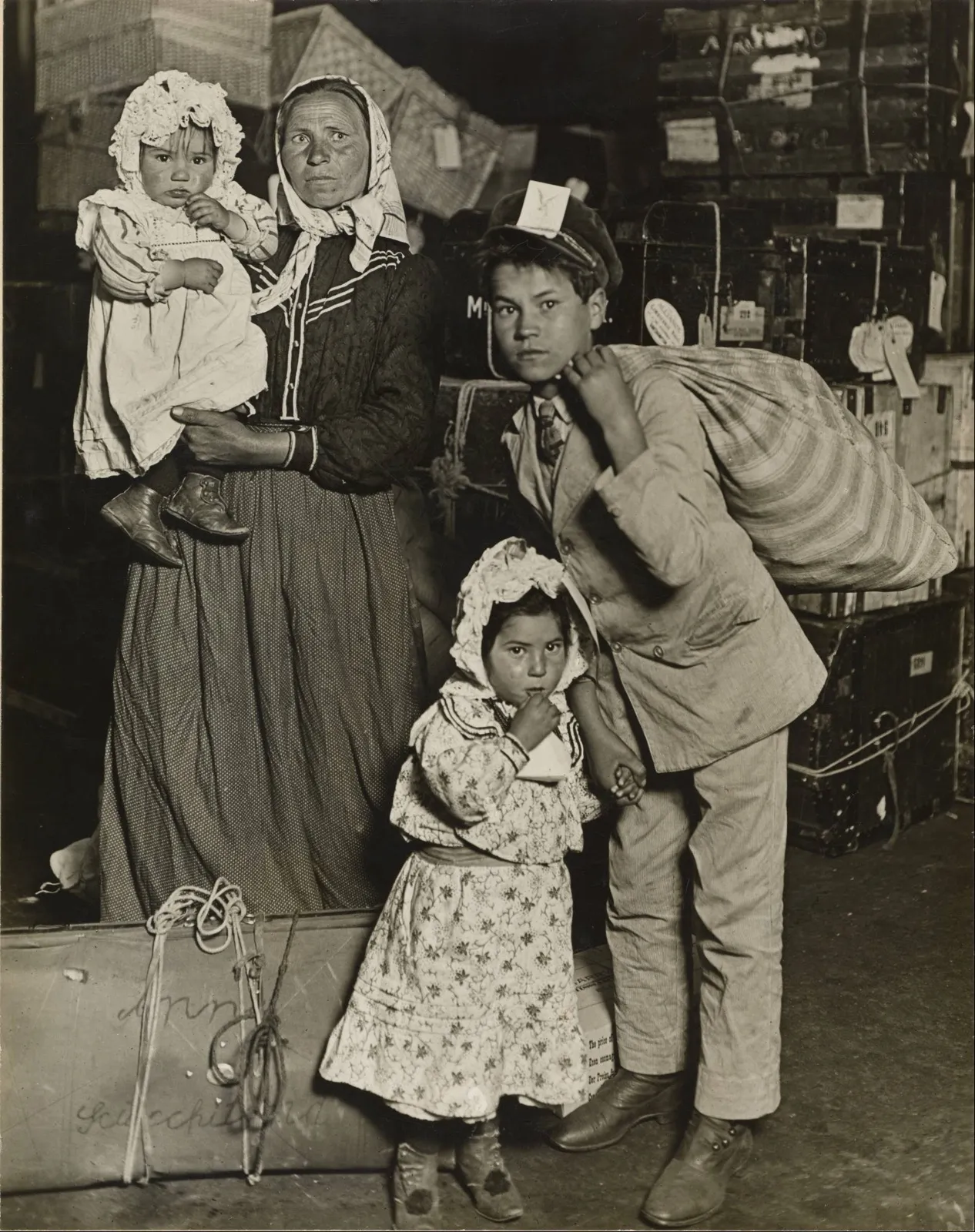
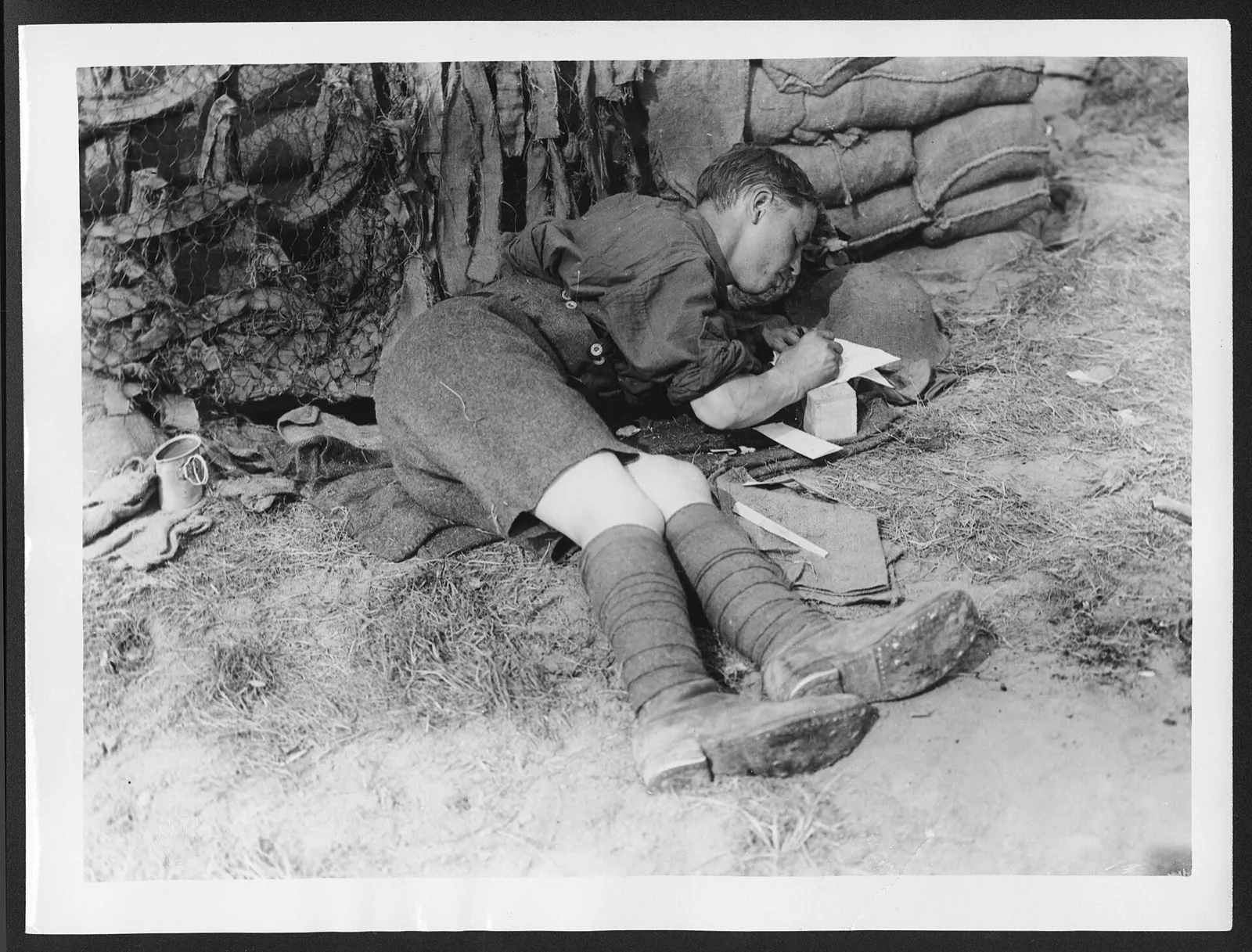
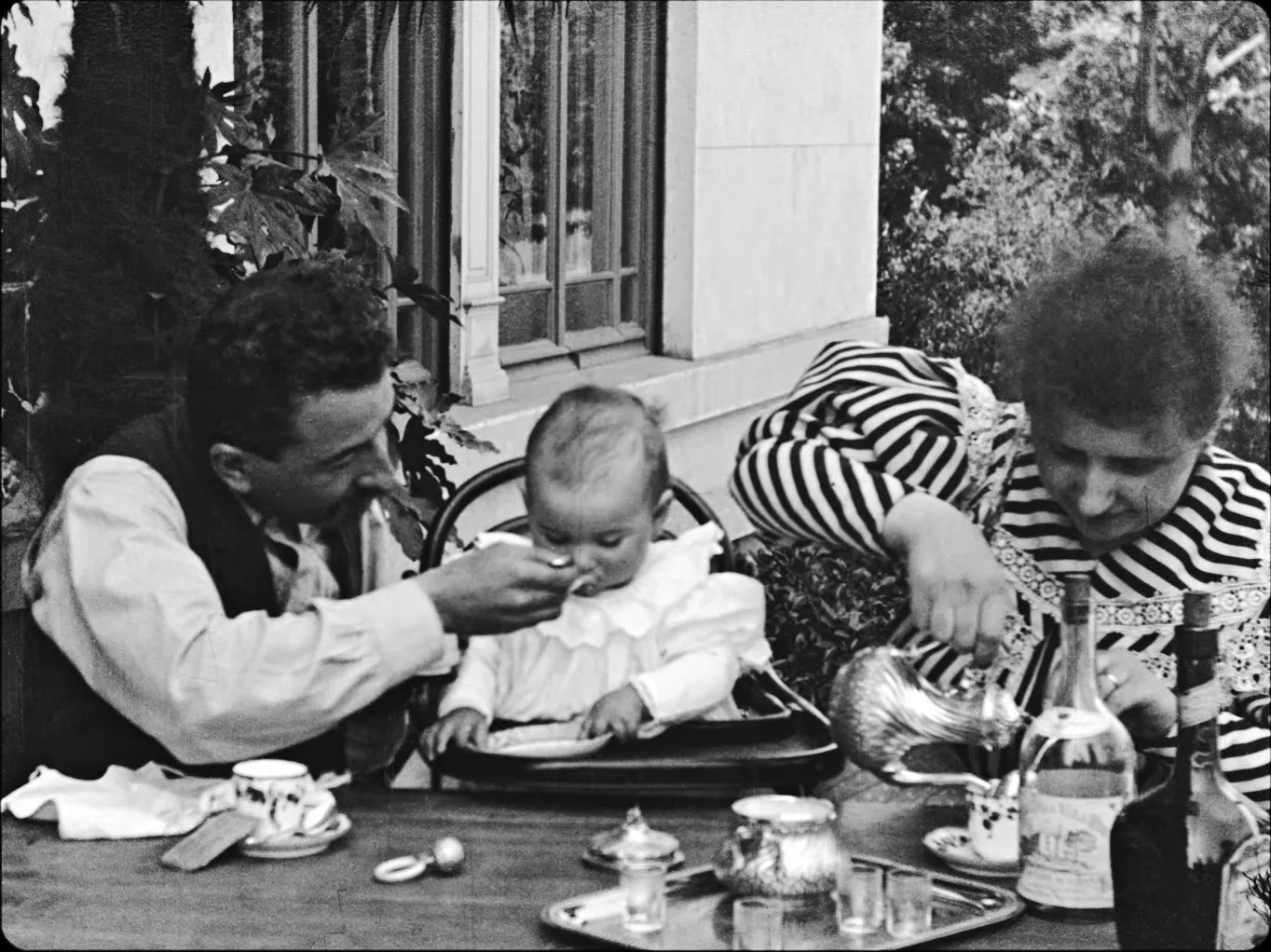
Questions to ask your partner about their childhood, the years you missed.
You know your partner today, but their first eighteen years you only know second-hand. The best questions to ask about their childhood, and how to keep them.
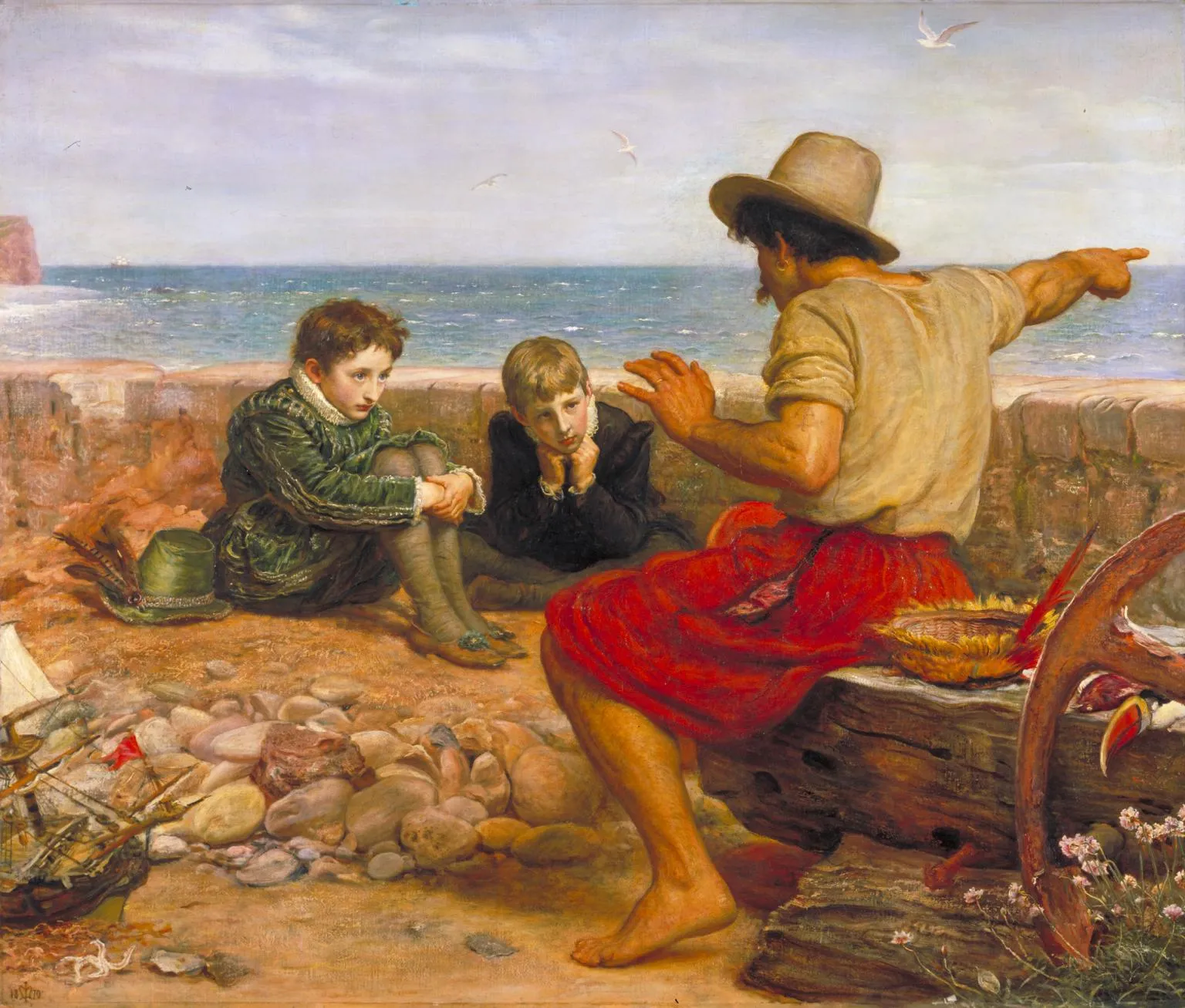
Ask someone who has been married for twenty years how they met their husband or wife and you will get a good story, polished by use. Ask them what their partner’s bedroom looked like at ten, who their partner was afraid of, or what the house smelt like on a Sunday, and many will stop. They have lived beside this person for two decades. They have never been told.
That gap is the subject of this piece. The questions to ask your partner about their childhood are not a way of making conversation. They fill the one part of your partner’s life you could not have witnessed, and which shaped nearly everything you now see them do.
Why do we know so little about our partner’s childhood?
Because it happened before we arrived, and no one tells it in order.
A relationship begins in the present tense. The early conversations cover work, friends, plans and a few highlights of the past: the funny story about the school trip, the one about the dog. Those stories are chosen because they are short and they work. They are told again at dinner parties, and after a few years they stand in for the whole period. We feel we know our partner’s childhood because we have heard its greatest hits.
The psychologist Dan McAdams, who has spent decades studying how people construct their life stories, argues that each of us carries an internal narrative that gives our life unity and purpose. I covered his work in what psychologists learnt from the life story interview. The point that matters here is that the narrative is not volunteered whole. It is told in pieces, to particular people, when they ask. A partner who never asks hears only the pieces that happen to come up.
There is a second reason, and it is less flattering. We assume we already know. After years together, curiosity dims, because we believe the surprises are used up. The most revealing things about someone are often the things they have never been asked.
What does your partner’s childhood explain?
More than you might expect. Much of what couples argue about turns out to be inherited, and visible only when you know the origin.
The one who cannot stand a messy kitchen may have grown up in a house where mess meant a bad mood was coming. The one who spends freely, or cannot spend at all, may be reacting to a childhood in which money was the unspoken subject. Christmas, holidays, how anger is handled, whether it is acceptable to cry in front of others: each is a habit learnt in a particular house, under particular parents, before you were part of the picture.
Couples who know this tend to argue differently. “You are being unreasonable” becomes “I did not know that was how it was in your house.” The behaviour is the same. The explanation is new, and an explanation is easier to live with than a flaw.
This is also why the years up to about eighteen matter more than any other stretch you could ask about. Psychologists find that adults recall a disproportionate share of their most vivid memories from adolescence and early adulthood, the so-called reminiscence bump, and that the self is largely formed in those years. The childhood your partner remembers is not a prelude to the person you married. It is the person you married, at an earlier stage.
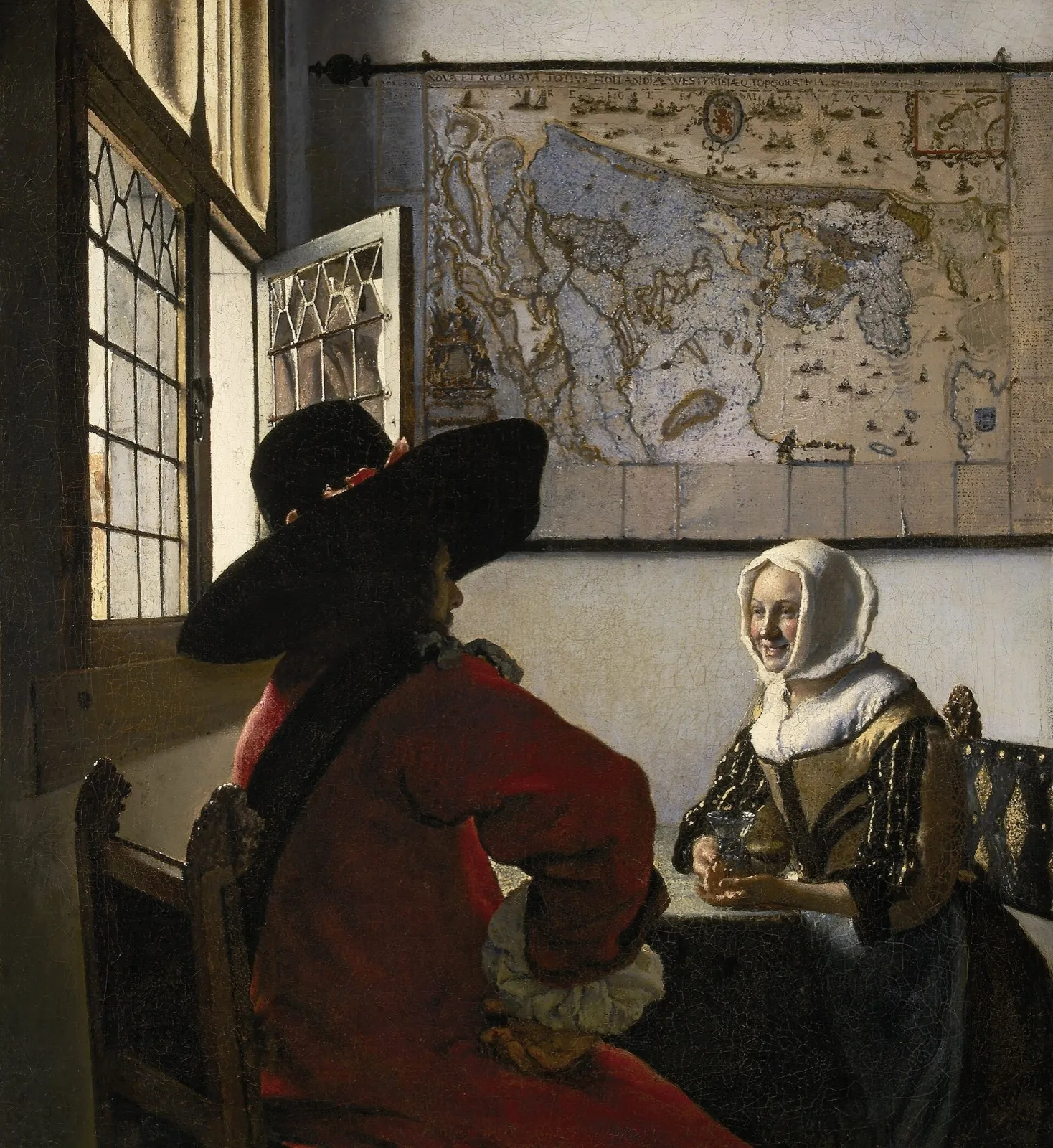 “Officer and Laughing Girl” by Johannes Vermeer, about 1657. The Frick Collection, New York. Public domain.
Does asking these questions bring you closer?
There is some evidence that it does, though the evidence concerns strangers rather than spouses.
In 1997 the psychologist Arthur Aron and his colleagues published a study in which pairs of strangers spent about forty-five minutes taking turns answering questions that grew steadily more personal. A comparison group was given small talk instead. The pairs who disclosed more reported feeling significantly closer afterwards. The set of thirty-six questions became famous in 2015, when the writer Mandy Len Catron described using it in the New York Times column “Modern Love”.
The mechanism is simple. Closeness is built less by time spent together than by what is disclosed during it, and most long relationships stop disclosing early. Twenty years of shared evenings can contain remarkably little of the kind of talk that happens in the first forty-five minutes of a good interview. The relationship psychologist John Gottman uses the term “love maps” for the knowledge partners hold about each other’s inner worlds, from worries and hopes to history, and treats its depth as a mark of a strong marriage. A childhood interview is one of the quickest ways to redraw a love map that has gone out of date.
What are good questions to ask your husband or wife about their life?
Ask about the specific rather than the summary. “What was your childhood like?” invites a paragraph of reassurance. “What did you eat for breakfast on a school day?” invites a scene. The questions below are grouped roughly in the order of a childhood. Choose five or six for a first sitting.
The house and the family
- Which houses did you live in as a child? Walk me through the one you remember best, room by room.
- What did your home smell and sound like in the morning?
- Who sat where at the dinner table? What were the rules?
- What was your mother like when you were small? What was your father like?
- Who in the family were you closest to, and what did they do that made it so?
School and friends
- Who was your best friend at eight? At fourteen? What happened to them?
- What were you good at, and what did you hide?
- Was there a teacher who changed how you saw yourself?
- When did you first feel you did not fit in? When did you first feel you did?
What it was like to be small
- What were you afraid of?
- What did you do on the long summer afternoons?
- What is your earliest memory? How old do you think you were?
- What did you want to be, and who told you that you could or could not?
What you were not told
- What was the thing no one in your family talked about?
- What did you learn about money, and when did you learn it?
- What is something that happened to you that you have never told me properly?
Looking back
- What did your parents get right? What would you do differently?
- If I could have met you at twelve, what would you have wanted me to know?
Question 16 is the one that matters most. It tells your partner that you are willing to hear something you have not heard. Do not rush to fill the silence that follows it.
How do you get them to open up?
Most people give short answers at first, because it feels odd to be interviewed by someone who shares their bathroom. A few things help.
- Ask about objects, not feelings. “What was on the wall of your bedroom?” is easier to answer than “How did you feel as a child?”, and it leads to the feelings anyway.
- Pick a different setting. A car journey or a walk suits this better than the sofa, because neither of you has to look at the other.
- Follow up on the detail. If they mention a grandmother’s kitchen, ask what was on the stove. Detail is where unrehearsed memory lives. The difference between questions that close and questions that open is covered in how to interview someone.
- Offer something first. Answer one of the questions yourself. Disclosure tends to be matched.
- Let them stop. If something is painful, move on. The aim is understanding, not extraction.
Why film it, and who is it for?
A written answer keeps the information. A film keeps the way it was said, which is where most of the meaning is: the half-second before a name, the laugh at a story you have heard before and clearly love.
There is a practical reason as well. A parent may live in another city and tire after an hour. A partner is in the house, and the conversation can happen in four short sittings across a month. Propping a phone against a book at the end of the table is enough; the notes in how to film an interview at home cover light and sound.
The recording will matter to more people than the two of you. Our children are subject to what psychologists call childhood amnesia in their own early years, and they will also know their parents only from the point where they began watching. Footage of their mother or father at the age they are now, describing the house they grew up in, is something no photograph can offer. It also makes a better answer to the question couples eventually face, which is what remains when one of them is gone. The person who is left is usually the one who most wants another hour of the voice.
For how the two of you met, as opposed to what came before, the questions in questions to ask your parents about how they met work equally well for couples.
How do you start?
Pick one evening this week and choose three questions. Say it plainly: “I realised there is a lot about your childhood I have never asked, and I would like to.” Then record the answers.
I have filmed more than a hundred life stories through The Archive since 2020, and I have four hours of my grandmother talking about hers. The most consistent thing I have learnt is that people are rarely reluctant to be asked. They are waiting, often for decades, for someone to be curious. If you would like help with the asking, the Everyone app has question packs and keeps each answer as its own short video, but a phone and an evening are enough.