
How to conduct an oral history interview, and what families can borrow.
In the 1930s, over 2,300 people born into slavery were interviewed. Barely seven hours of their voices survive. What oral historians have learnt since.
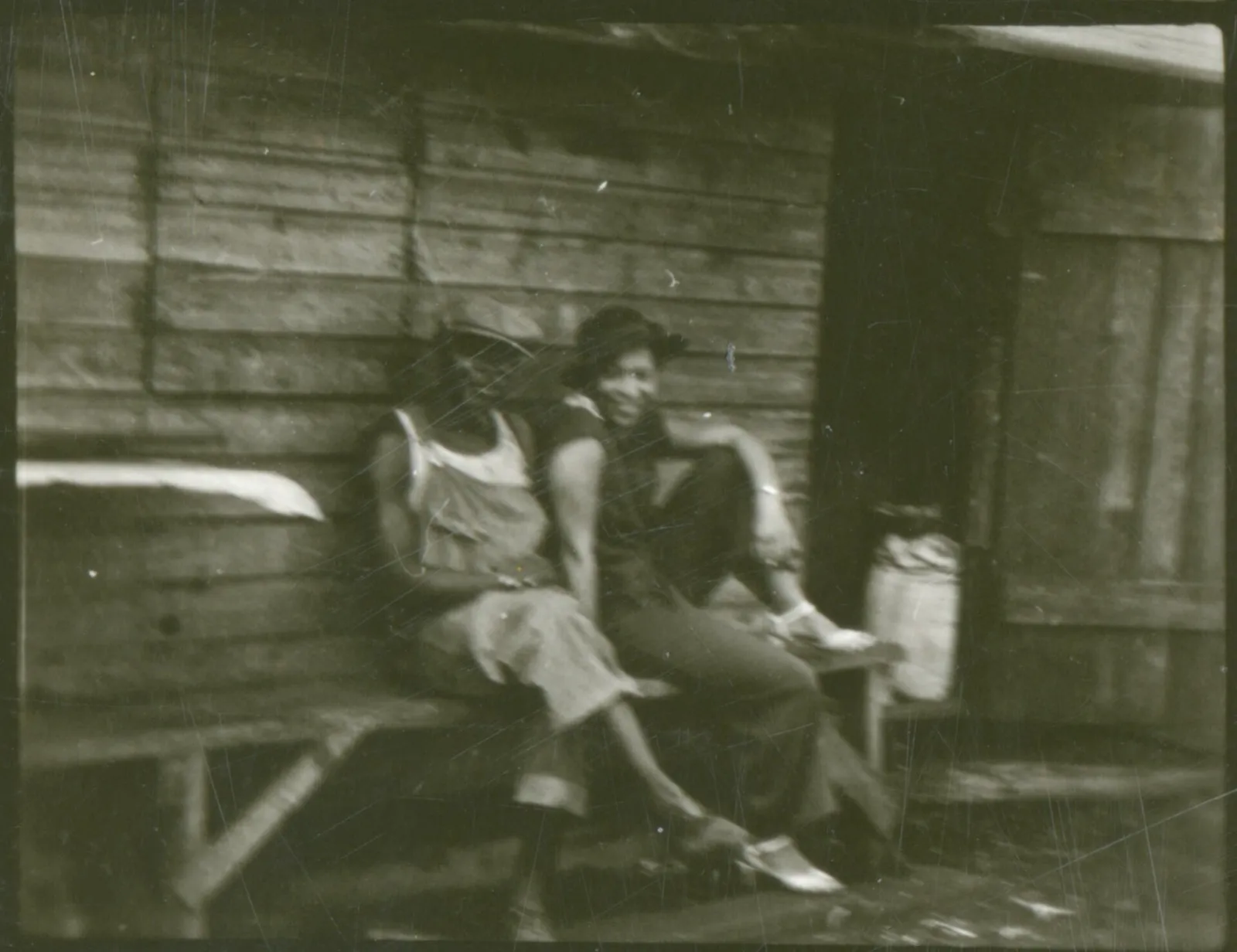
Between 1936 and 1938, writers employed by the United States government went door to door across the South looking for people who had been born into slavery. They found and interviewed thousands of them, most in their eighties and nineties. The result, now held by the Library of Congress as Born in Slavery, contains more than 2,300 first-person accounts. It is one of the most important collections of testimony ever assembled.
Almost none of it can be heard. The interviews were written down, typed up and filed. The Library’s separate collection of actual sound recordings of formerly enslaved people, made between 1932 and 1975, comes to roughly seven hours, from about two dozen speakers. For everyone else, what survives is an interviewer’s version of what they said.
That gap is the clearest lesson I know about how to conduct an oral history interview. The questions matter, and so does the interviewer, but the deciding factor is often something less obvious: what exactly gets preserved, and for whom.
What is an oral history interview?
An oral history interview is a recorded conversation with someone about their own experience of the past, made so that it can be kept and used by people who were not in the room. That last part is what separates it from an ordinary conversation: an oral history is made for an audience that does not exist yet.
The modern discipline is usually dated to 1948, when the historian Allan Nevins founded the Oral History Research Office at Columbia University, the first programme of its kind in the United States. Nevins saw it as a replacement for the diaries and letters that public figures were writing less in the age of the telephone. In 1966 the Oral History Association was founded, and over the following decades the field developed a fairly settled set of practices: how to prepare, how to ask, how to obtain consent, how to label and store what you record.
Most of those practices were designed for universities and libraries. A surprising number transfer directly to a kitchen table. (Psychologists have a parallel method for studying how people understand their own lives: the life story interview.)
Why did the slave narratives turn out the way they did?
The Federal Writers’ Project was a Depression-era jobs programme for unemployed writers. Its interviewers were given a list of suggested questions and sent out with notebooks. Most of them were white, and they were interviewing elderly Black southerners in the Jim Crow South, sometimes on land owned by the descendants of the people who had enslaved them.
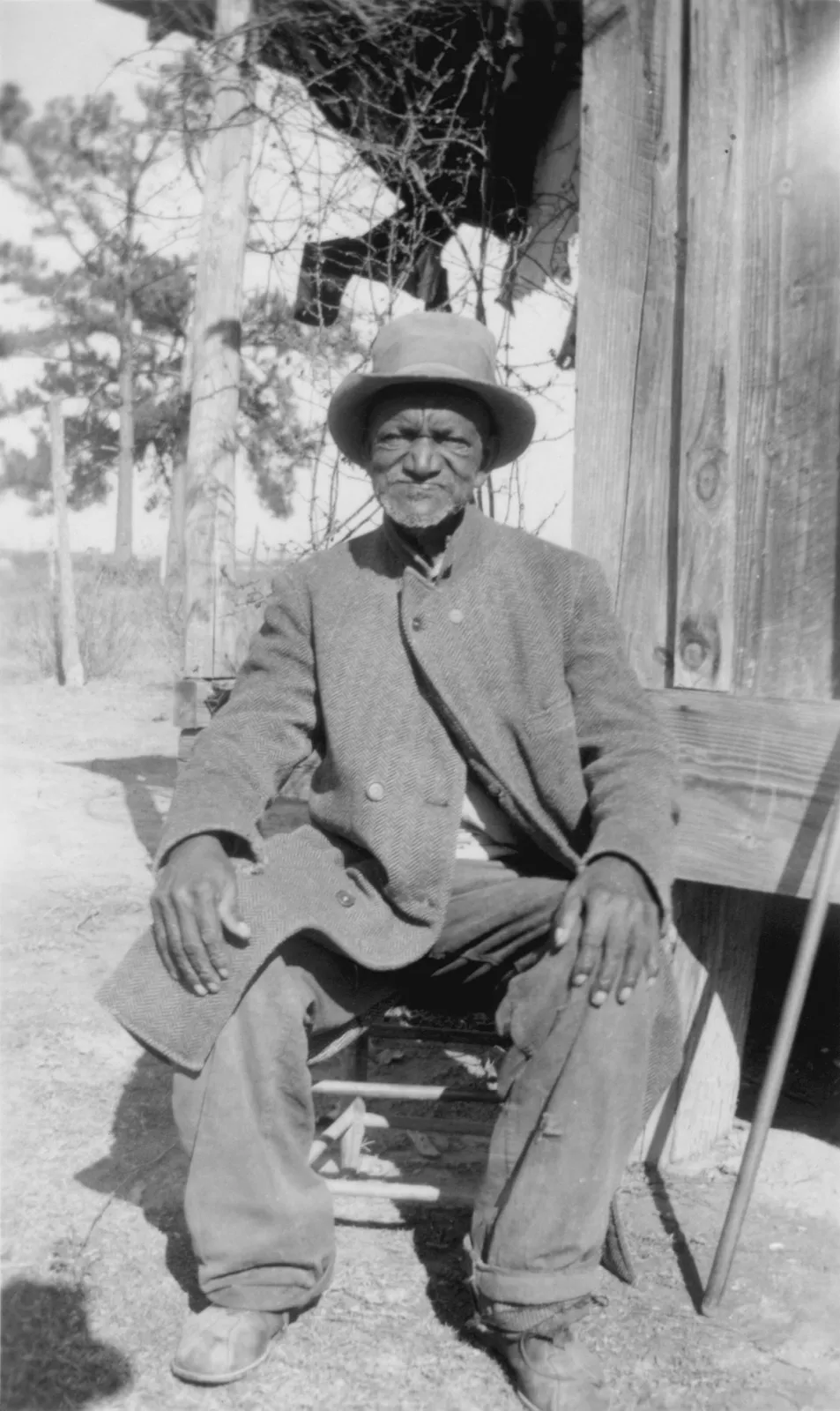 Wes Brady, photographed in Marshall, Texas, in 1937 for the Federal Writers’ Project. Library of Congress. Public domain.
Historians have spent decades working out what that did to the record. Many interviewees had good reason to be guarded with a white stranger who arrived with a notebook and an official purpose. Some questions were leading, and invited reminiscences about kind mistresses rather than whippings. And because the interviews were written rather than recorded, every answer passed through the interviewer’s hand. Speech was transcribed in phonetic dialect, shaped partly by what the writers expected Black speech to sound like. Wes Brady, photographed above, begins his account in the typed narrative by saying he was eighty-eight years old “this July past” and “has wore myself out here in this county.” We cannot know how closely that matches how he actually spoke.
None of this makes the collection worthless. It remains indispensable, and it helped overturn the romantic picture of slavery that dominated American history writing for decades. But it shows the three ways an oral history can fail: the person does not trust the interviewer, the questions steer the answers, and the medium loses the voice.
Each of those failures has a remedy, and each remedy is something a family can apply.
How do you prepare for an oral history interview?
Professional oral historians do a surprising amount of work before they press record. The usual sequence looks like this:
- Research the life. Learn the basic outline first: where the person was born, when they moved, what they did for work. Interviewers who know the outline can spend the interview on the parts no document records.
- Hold a pre-interview. A short, unrecorded conversation a few days before. It explains the purpose, lets the person think about what they want to say, and lets you discover which periods of their life matter most to them.
- Explain what will happen to the recording. The Oral History Association’s guidelines put this at the centre of the process. A narrator should understand why they are being interviewed, where the recording will be kept, who will be able to see it, and how it might be used.
- Plan a sequence, not a script. Write down topics in roughly chronological order, but be prepared to abandon the order when the story goes somewhere better.
For families, the first step is the easiest to skip. If you do not know the outline of a parent’s life, a look through old documents or a conversation with a sibling first will make the interview noticeably better; if you do, you are free to spend the interview on scenes, feelings and reasons.
The third step matters for a different reason. In my experience of filming more than a hundred life stories, the people who speak most freely are the ones who know exactly where the recording is going. “This is for the grandchildren” or “this stays in the family” turns a vague, slightly uncomfortable request into a clear one. Trust, which was missing for so many of the people interviewed in the 1930s, starts with that explanation.
What do oral historians do during the interview?
The techniques that professional interviewers rely on are mostly about getting out of the way:
- Start with a slate. At the beginning of every recording, state who is speaking, who is asking, the date and the place. It feels formal, and it is the single most useful thing you can do for a viewer in fifty years’ time.
- Ask open questions, one at a time. “Describe the street you grew up on” produces a story; “Did you like where you grew up?” produces a yes. There is good research on why this works, which I have written about in how to interview someone with open-ended questions.
- Do not lead. If you want to know whether a father was strict, ask what he was like. The word “strict” in the question tends to reappear in the answer.
- Ask for the obvious. Oral historians ask narrators to explain things the interviewer already knows, because the eventual audience will not. Your mother knows you know who Aunt Margaret was. Your great-grandchildren will not.
- Let silences run. A pause is usually the narrator deciding whether to say the next thing. Filling it with another question is the most common way interviews lose their best material.
- Keep sessions short. Most guides suggest one to two hours at most; for older narrators, forty-five minutes is often plenty (see how to interview older family members). Several short sessions produce better material than one long one.
The fourth point is the one families most often miss, and it captures the spirit of oral history. Relatives talk to each other in shorthand: you know, the house in Brunswick, before Dad got sick. An oral history interview asks you to speak to a stranger who happens to be related to you. For a full list of questions organised by stage of life, see these questions to ask your parents about their life.
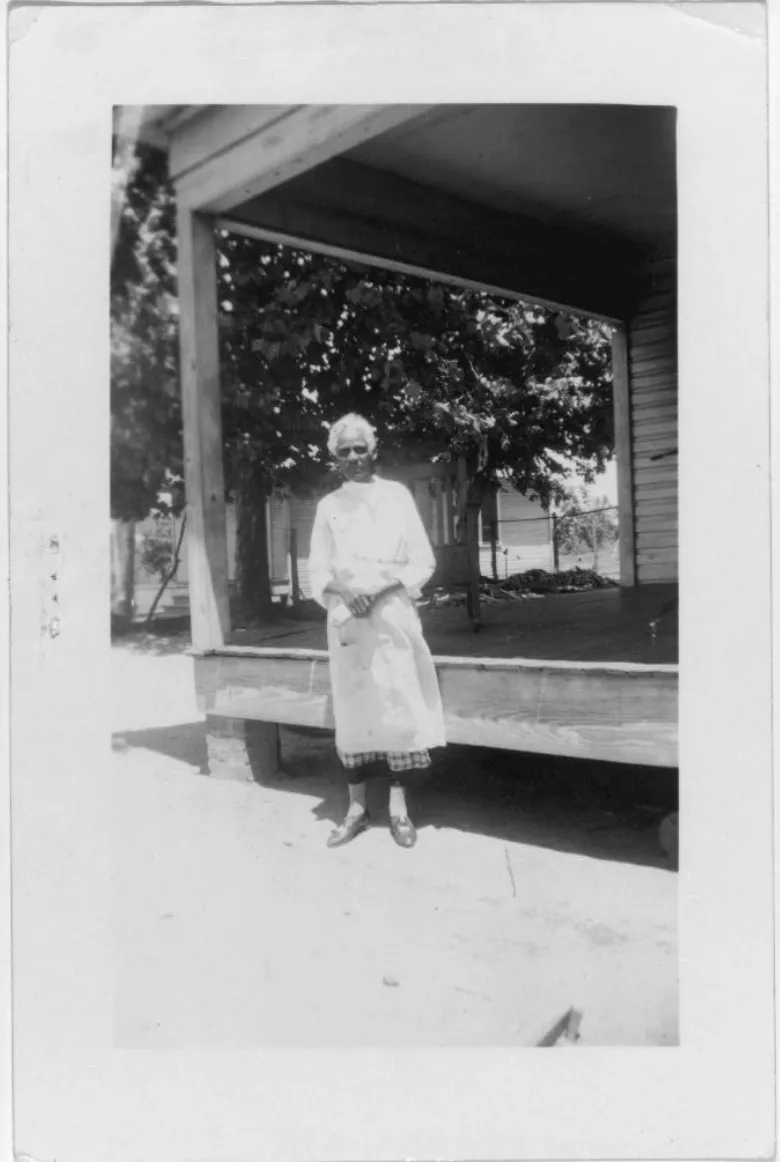 Susan Merritt, photographed for the Federal Writers’ Project slave narratives, around 1937. Library of Congress. Public domain.
What happens after the recording stops?
This is where professional practice and family practice diverge most sharply. For an oral historian, the interview is not finished until it is preserved. That means a signed release form, describing who owns the recording and how it may be used. It means a summary or transcript, so that people can find what is in it. And it means storage in an archive with a catalogue entry: name, date, place, interviewer, subjects covered.
Families do not need release forms, but they do need the rest. A recording with no label, saved to one phone, is in a similar position to a box of unlabelled photographs in a garage: technically preserved, practically lost. At minimum, a family recording should have:
- A clear name and date, so it can be found.
- A short note of what was discussed, so someone can find the story about the war without watching four hours of footage.
- More than one copy, in more than one place.
- An owner, someone in the family who knows where it is and will pass it on.
Why does the medium matter so much?
Return to the people interviewed in the 1930s. Professional oral historians eventually moved from notebooks to tape recorders, and then to video, for a simple reason: every step up captured more of the person and less of the interviewer. A notebook records what the interviewer heard. A tape records what the narrator said. Video records who was saying it. (I make the full case in why video beats writing and audio.)
Zora Neale Hurston, pictured at the top of this page, understood this as well as anyone. Before she worked for the Federal Writers’ Project in Florida, she had interviewed Cudjo Lewis, one of the last known survivors of the transatlantic slave trade, in Alabama in the late 1920s. Her book about him, Barracoon, was not published until 2018. Even in that remarkable text, what we have is his voice as she heard it and wrote it down. Imagine what it would mean to be able to watch him tell it.
I filmed four hours of my grandmother’s life story before she died. I can still see her expressions and hear her laugh. None of that would have survived on paper, however carefully I had taken notes.
The technical barriers that shaped the slave narratives are gone. Almost everyone carries a camera that records clear video and sound. That is why the Everyone app is built around one question at a time and a clear decision about who each video is for. But the method matters more than the tool. Research the life, explain the purpose, ask open questions, speak to the stranger in the future, and label what you record.
The interviewers of the 1930s reached people who would otherwise have left no trace, and we are lucky they did. The people in our own families deserve a better record than a typed page, and for the first time, giving them one is easy. (For a step-by-step guide to the filming itself, see how to capture someone’s life story on video. For the wider argument about why this work matters beyond any one family, see the importance of oral history.)


